oosioo
Read in English
On performance reviews, org design, and leading people. Read in order →

Performance Reviews and Turnover (1) — Where Does the Distrust Come From
Apparently three out of four people say they're not satisfied with their review results. That got me thinking about a company where the HR team became the punching bag for everyone's frustration, and where a manager's subjective judgment, disconnected people-management, and the absence of clear criteria were all tangled up at once.

Performance Reviews and Attrition (2) — A Leader's Job Is to Set the Table
Here's a rundown of four things leaders should ask in August, and two preconditions for becoming someone who sets the table. Delegation you can start today, but consistency only proves itself over time.
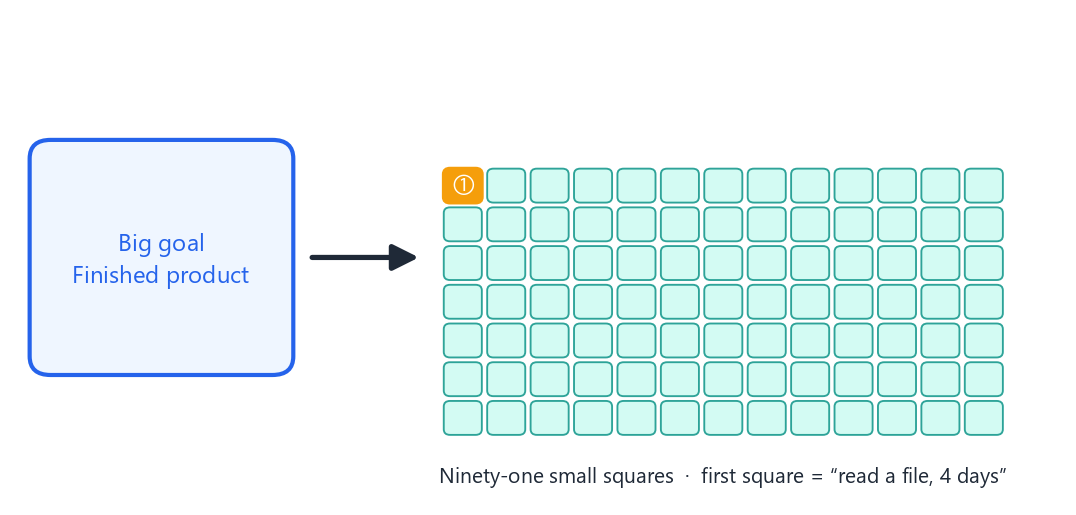
How to Repeat Small Wins (1) — Breaking Things Down Is the Oldest Trick in the Book
When a big goal feels overwhelming, breaking an unmanageable problem into small pieces turns out to be the oldest trick in the book — the same one computer science calls divide and conquer.
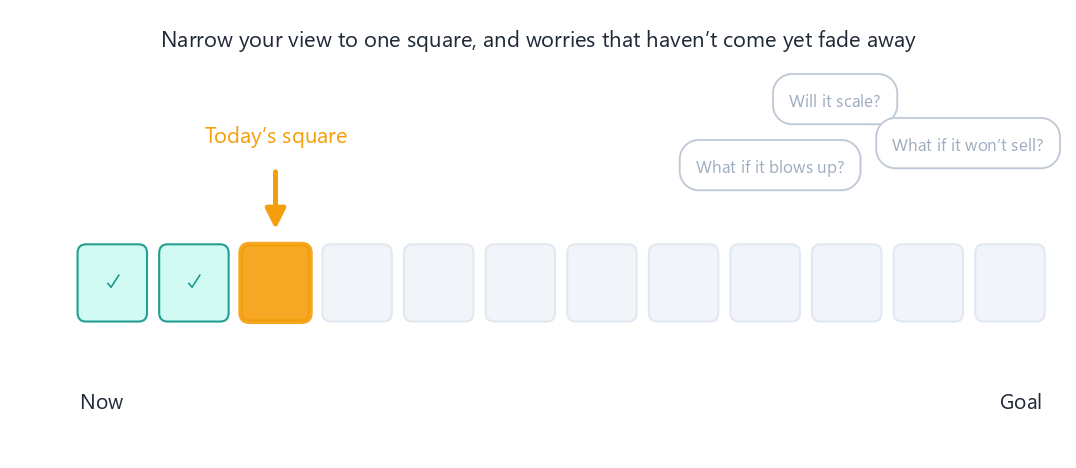
Repeating small wins (2) — Splitting the goal brings focus and calm in its wake
Breaking a big goal into small wins seems to sharpen short-term focus and ease worry about problems that haven't arrived yet.
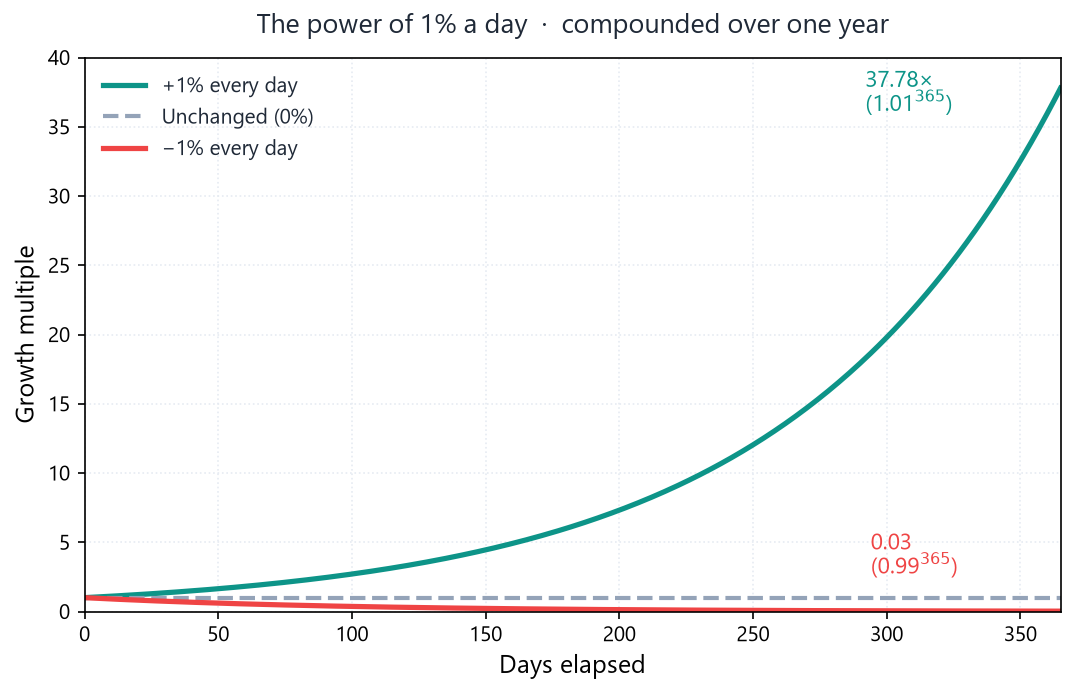
The Art of Repeating Small Wins (3) — Big Success Is the Sum of Small Successes
Junior professionals want the home run, but data from cycling, software, and organizational psychology research all say the same thing: repeating small wins is what actually wins big in the end.
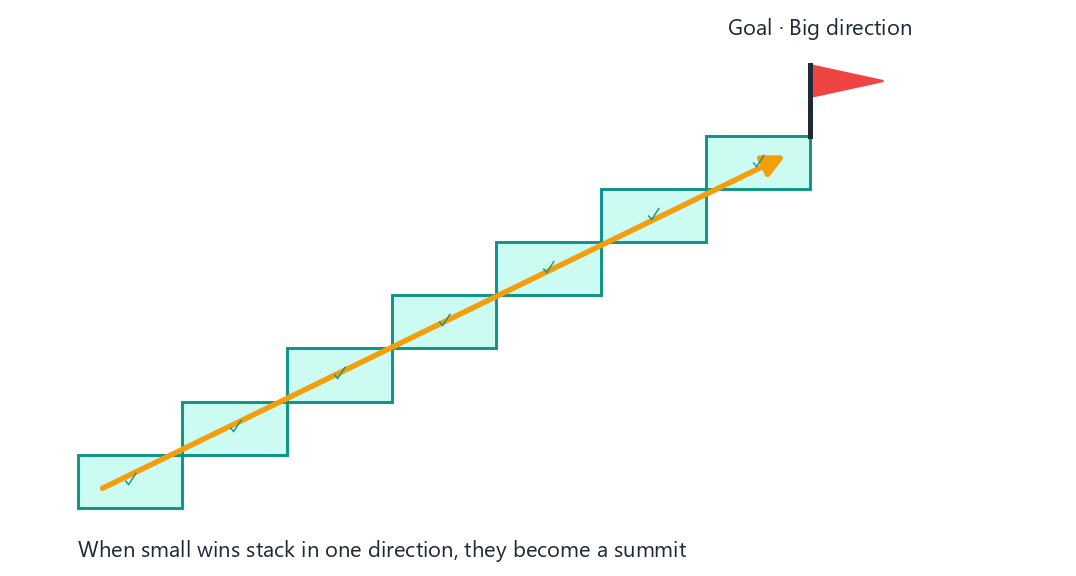
How to Repeat Small Wins (4) — But They Have to Point Toward a Bigger Direction
Small wins are powerful, but they tend to gravitate toward whatever's easy. You have to set the big direction first, then break it into steps that lead there, and only then do they add up to a summit.

People Who Add Value (1) — Fill Only Your Assigned Share and You'll Be Replaced
Whether it's a company, a shop, or your studies, filling only your assigned share leaves you replaceable. What can you stack on top of it? Let's take another look at work through the lens of value added.

People Who Add Value (2) — Those Who Do the Same Job Differently
The closest kind of added value is simply doing your current job better than anyone else. From a foreman who became a vice president to master craftsmen on the factory floor, these are stories of people who created different value from the same work.

People Who Add Value (3) — What Came of Work Nobody Asked For
Added value is born from work nobody asked for. Stories of a failed adhesive that became a sticky note, and idle-time tinkering that changed a career.

People Who Add Value (4) — Those Who Bridge Two Worlds
People who stand at the point where two distant things meet are rare, and that rarity is what makes them valuable. Calligraphy and computers, medicine and development — a story about the scarce added value born at intersections.

People Who Add Value (5) — What Protects You as the Times Change
What AI replaces is "the assigned share"; what survives is the added value you build on top of it. A look at the mindset of people who keep raising their own worth no matter how the times change.

The One Who Conveys (1) — No Matter How Good It Is, If You Can't Get It Across, It Doesn't Exist
Ability and the ability to convey are different things. However outstanding the value, if it can't be translated into the listener's language, it's as good as nonexistent. A story that redefines what storytelling really means.

The One Who Conveys (2) — It Only Arrives If It's Simple: The Curse of Expertise
Those who know something can no longer picture the mind of someone who doesn't. Here's how to move past the curse of expertise and translate into the listener's language instead of your own.

The One Who Conveys (3) — Tell People Why, and They'll Move
Without context, there's no goal and no result. Layer the company's meaning, the customer's meaning, and your own meaning onto the same task, and an assignment becomes your work. This is a story about delivering meaning.

The One Who Conveys (4) — Sell the Story, Not the Spec
A good brand doesn't sell a product's specs — it sells meaning for the customer. Here's how a story laid on top of the same object can change its value.

The Messenger (5) — Packaging Can't Stand in for Substance Forever
Storytelling isn't about inventing what doesn't exist — it's about organizing the value that already does. On the end point of substance-less packaging, and how to start today.

The One Who Gives First (1) — Why People Start Out Guarded
Relationships come down to give and take. But people are wired to be wary of strangers. Let's talk about the first key to getting past that wall: the science of reciprocity.

The One Who Gives First (2) — The Cheapest Investment Is Offering First
The cheapest and most valuable things you can give first are your goodwill and your ability. Trust comes back to the people who share credit and open up what they know first.

The One Who Gives First (3) — Thirty Minutes Buys You Three Days
Reciprocity works best when something trivial for me becomes a big help to someone else. Let's talk about the power of this asymmetry — giving little and gaining much.

The One Who Gives First (4) — Sustaining a Relationship Is Harder Than Starting One
Reciprocity breaks down the moment one side feels "I'm the only one giving." Here's how to make reciprocity explicit, how to repay and forgive, and what becomes of those who only take.

The One Who Gives First (5) — Reciprocity Spreads
Reciprocity spreads from individuals to teams, and from teams to society. But what is never returned is sacrifice. Let's talk about why what looks like a loss is actually the wisest investment.

The Power of Knowing Together (1) — Nothing Can Be Done Alone
A company is a place where people gather to work. So why does someone always end up freeloading, the way it happens in a group project? This is a story about sharing that starts from the fact that no one can do anything alone.

The Power of Knowing Together (2) — Information Isn't Power, It's a Bottleneck
It's easy to believe that hoarding information creates power. What it actually creates is a bottleneck. An organization that stops without you isn't a seat of power — it's a prison.

The Power of Knowing Together (3) — Silos, the Cost of Walls
When walls go up between departments and each guards only its own turf, the same company ends up doing the same work twice. That is the price of not sharing information.