oosioo
Read in English
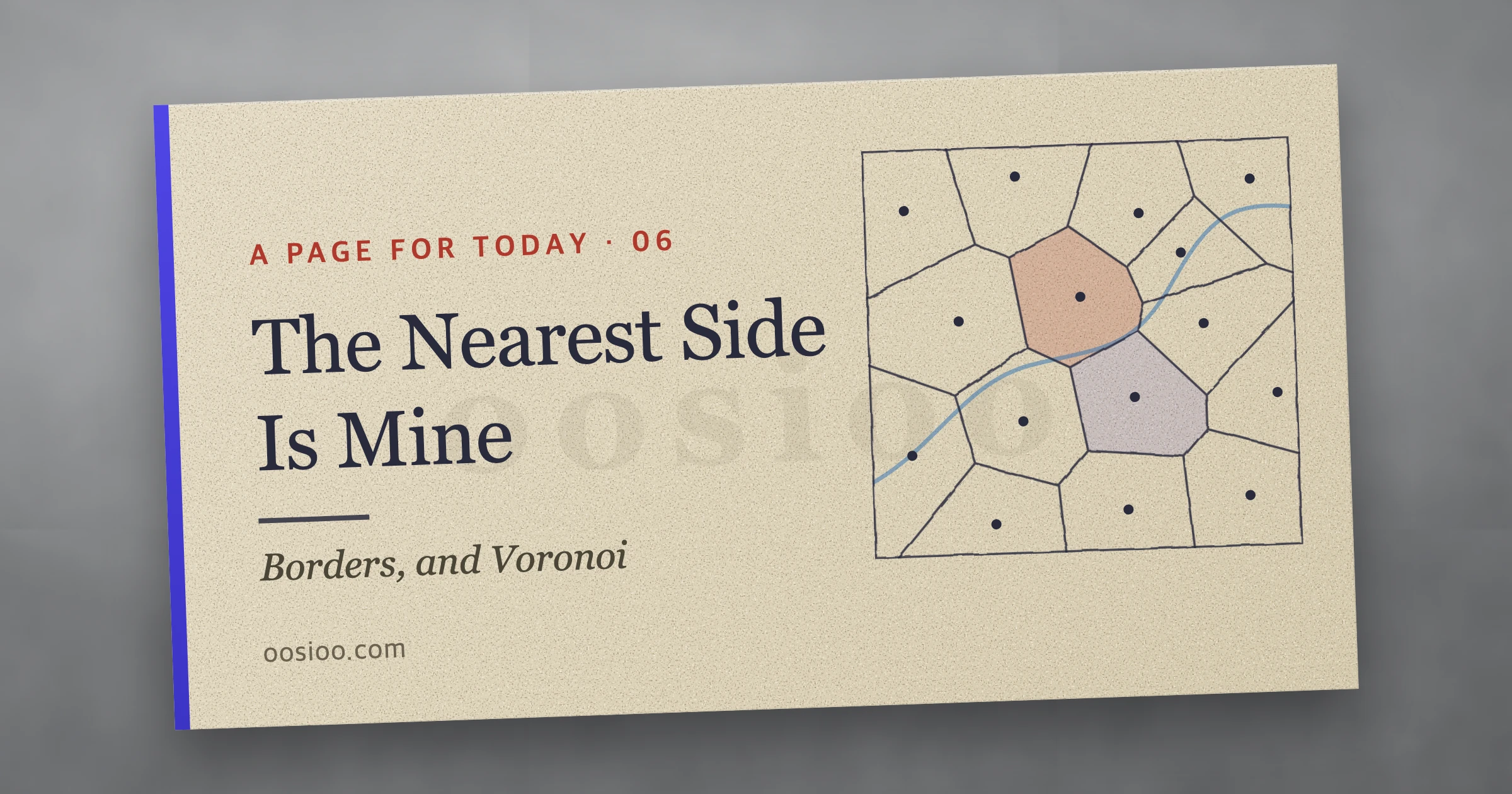
The Nearest Side Is Mine
The word in the notebook was 'border.' This piece maps the disputes still playing out along lines today, traces how mountains and rivers pull borders out of shape, follows what a country living atop a ceasefire line runs into on land and at sea, and looks at the devices that guard borders — and the AI now built into them. Finally, it redraws Africa's ruler-straight colonial borders using Voronoi diagrams. The sixth piece in the A Page for Today series.

I Put Stories on the Bottles Piling Up at Home — A Drink Log Where One Label Photo Lets AI Fill In the Details
When COVID made it hard to drink out, bottles started piling up at home. I built an app over one weekend where a single label photo gets the drink's description filled in by AI, and all I write is where it's stored and who I drank it with and how it went. Alongside domestic and international precedents like Vivino, CellarTracker, and WineGraph, a look at how low the bar has dropped for building a tiny service meant for just yourself.

The One Who Conveys (2) — It Only Arrives If It's Simple: The Curse of Expertise
Those who know something can no longer picture the mind of someone who doesn't. Here's how to move past the curse of expertise and translate into the listener's language instead of your own.
The Person Who Changed Their Mind at the Altar
Starting from grooms and brides who changed their minds mid-ceremony, this piece looks through statistics at the wavering institution of marriage and the belief in compatibility, and writes about the one value that still doesn't change.
I Built One Psych Test, and It Became Twenty — A Structure Where Adding One Test Means Adding One File
It started as a casual quiz, just for fun. Then I rebuilt it into a framework where dropping in one file for one test automatically wires up scoring, reports, and screens — and it grew to twenty. The real power of a click isn't knocking out one thing fast; it's setting up the board so the twenty-first comes for free. But looking at how this is done elsewhere, I found that making something that looks like a test and making an actual test are entirely different leagues of difficulty.

The One Who Conveys (1) — No Matter How Good It Is, If You Can't Get It Across, It Doesn't Exist
Ability and the ability to convey are different things. However outstanding the value, if it can't be translated into the listener's language, it's as good as nonexistent. A story that redefines what storytelling really means.
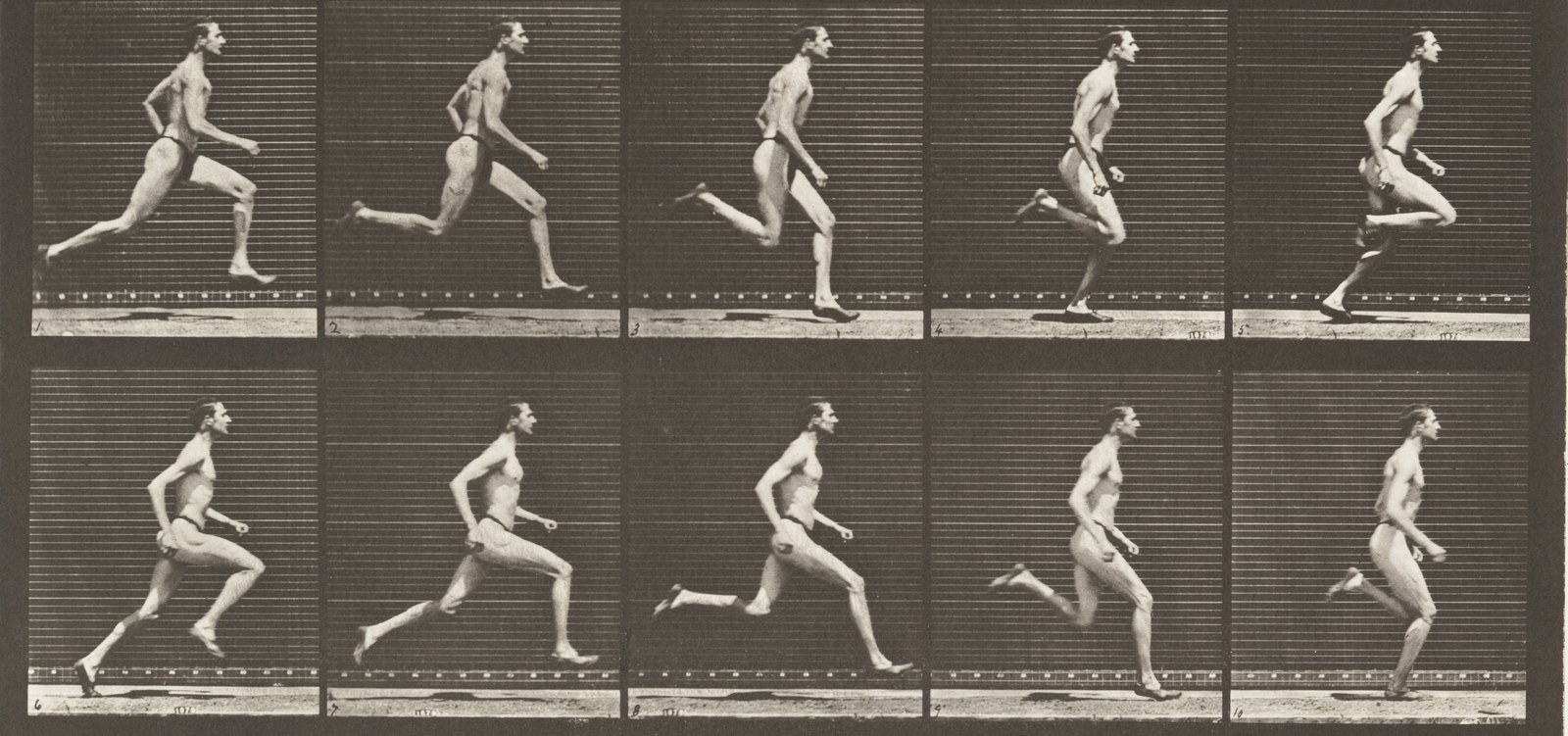
The Run Left in the Sole
The word in the notebook was just one: running. Starting from the Nagoya Asian Games marathon and Korea's running boom, this piece follows how training for a medal differs from running for health, and traces running dynamics — born when the cycling power meter crossed over into running — along with the machine learning used to read them. At the end is an analyzer that works backward from a worn running-shoe sole to read the habits behind it. The fourth installment of A Page for Today.
My Own Magazine, Every Morning — Personalized Briefings That Pick Only What You Need and Fit It on One Page
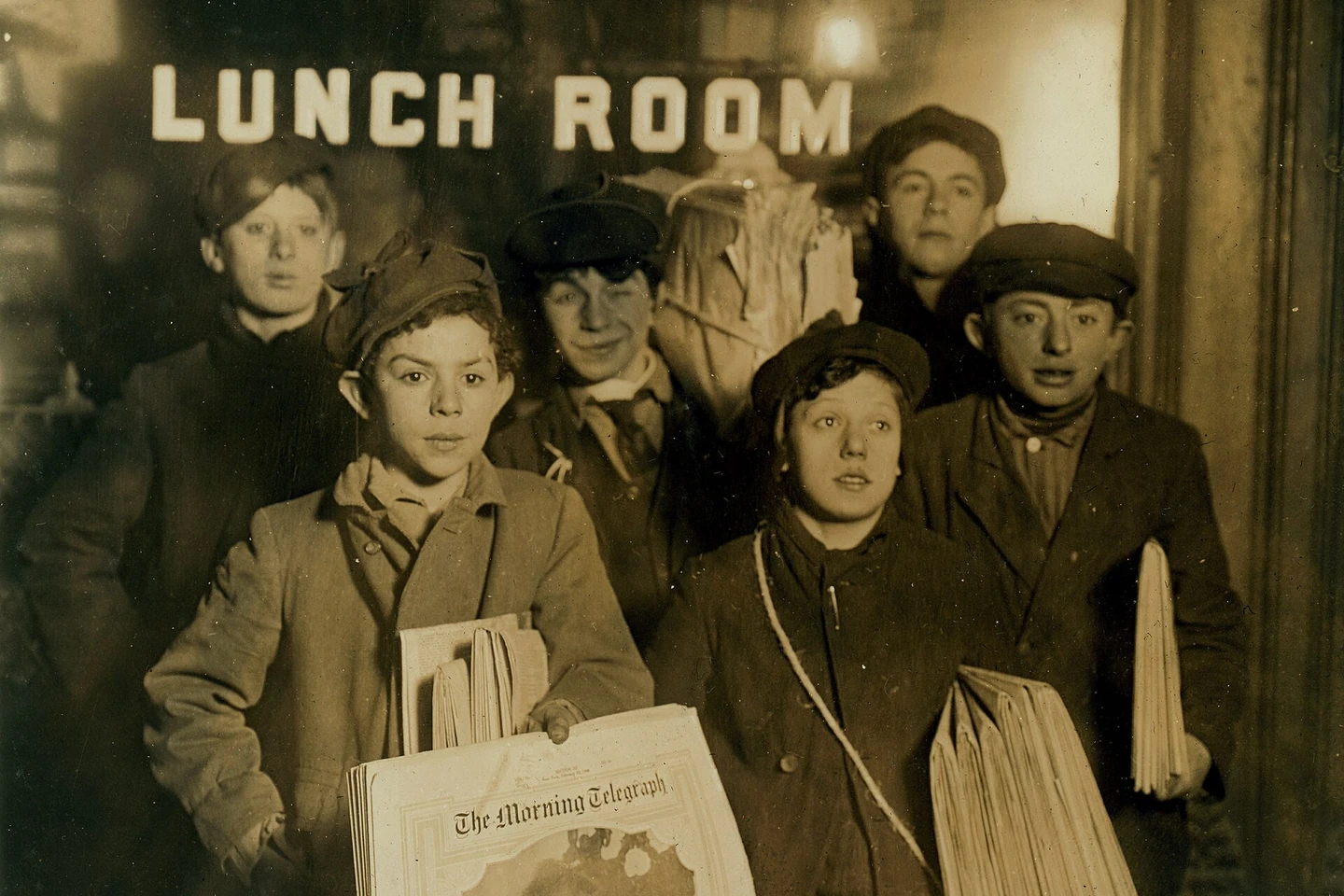
Newsletters keep piling up and inboxes keep getting messier. This piece traces how personalized briefings that curate only the information you need have evolved at home and abroad — from Newneek, Naver, and SK Telecom's A. (A-dot) to Artifact, ChatGPT Pulse, and NotebookLM — and, alongside the current trends, suggests how to build, in one click with AI, your own morning briefing for work and the commute.

People Who Add Value (5) — What Protects You as the Times Change
What AI replaces is "the assigned share"; what survives is the added value you build on top of it. A look at the mindset of people who keep raising their own worth no matter how the times change.
Can Satellites Find Landmines? — On Armed Forces Day, Mapping Border-Area Mines with Free Satellite and Terrain Data
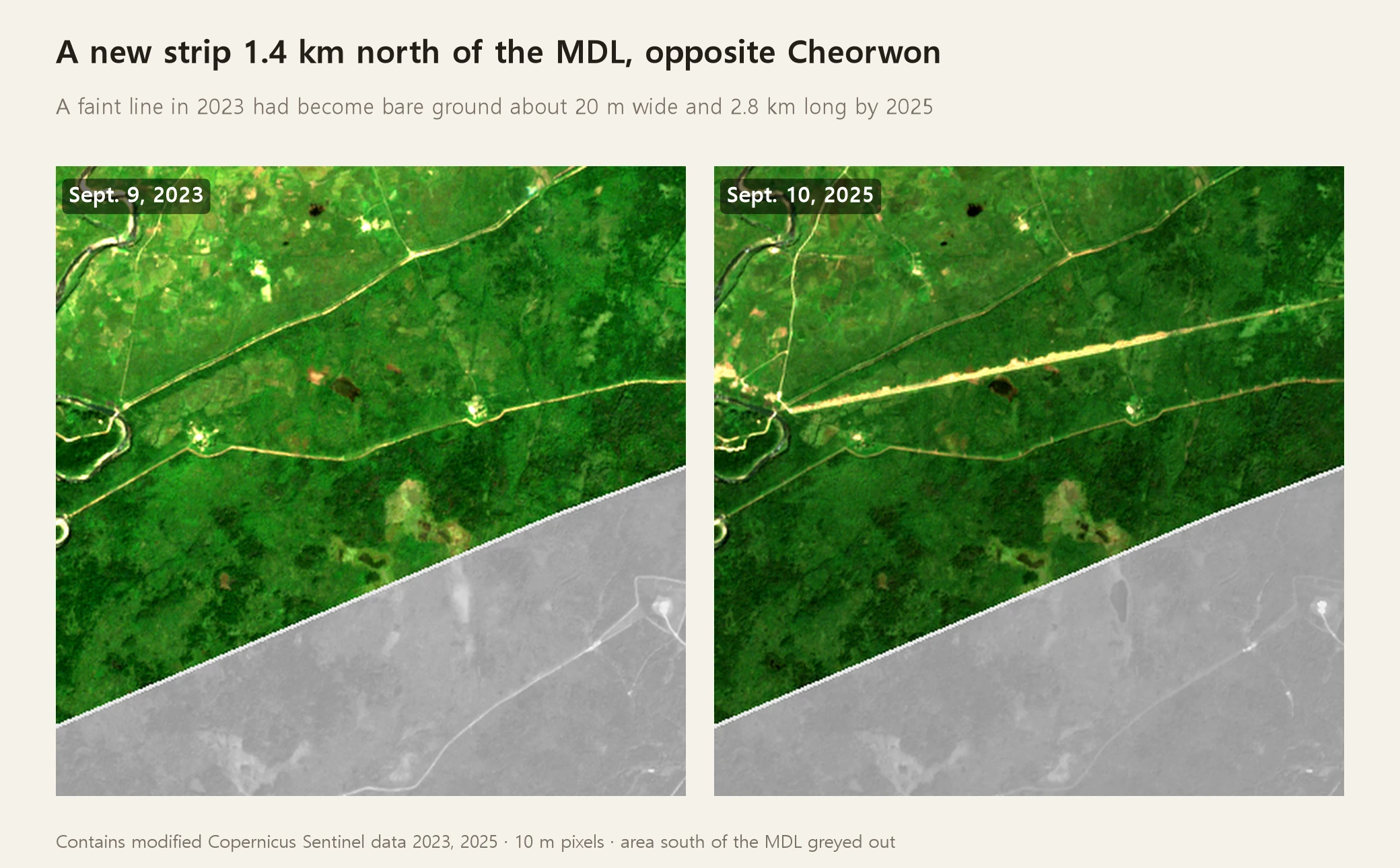
On Armed Forces Day, I tried to use free satellite imagery to map where landmines might be buried or might have washed downstream. The AI's first answer was "not as it stands." I changed course, mapping the southern riverbanks of rivers flowing down from the North and changes in the land north of the demarcation line separately — and end with the fact that the mines themselves never became visible.
The People Who Got 5,000 AI Voters to Cast Ballots — Synthetic Voters That Run the Election in Advance
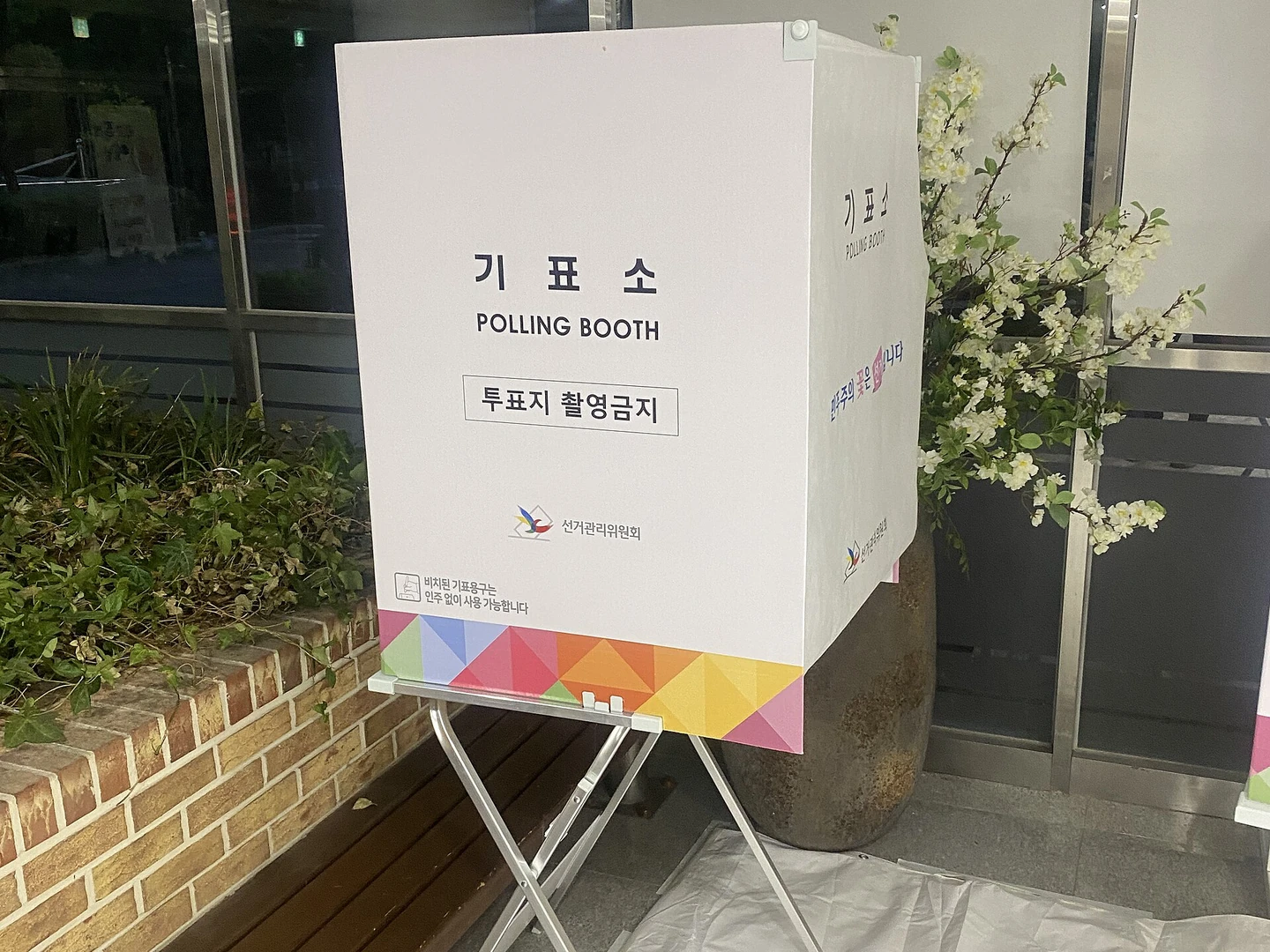
More companies and researchers are asking AI-generated virtual voters how they would vote instead of real people. This piece follows Aaru, which came within 371 votes of the actual result in a New York primary but missed the presidential race; GPT models that skewed toward the Greens when questioned in German; and a Korean firm that tried predicting local elections — then shares impressions from running the experiment myself with NeoPersona, and why none of this should be called an opinion poll.
Heroes on the Boundary
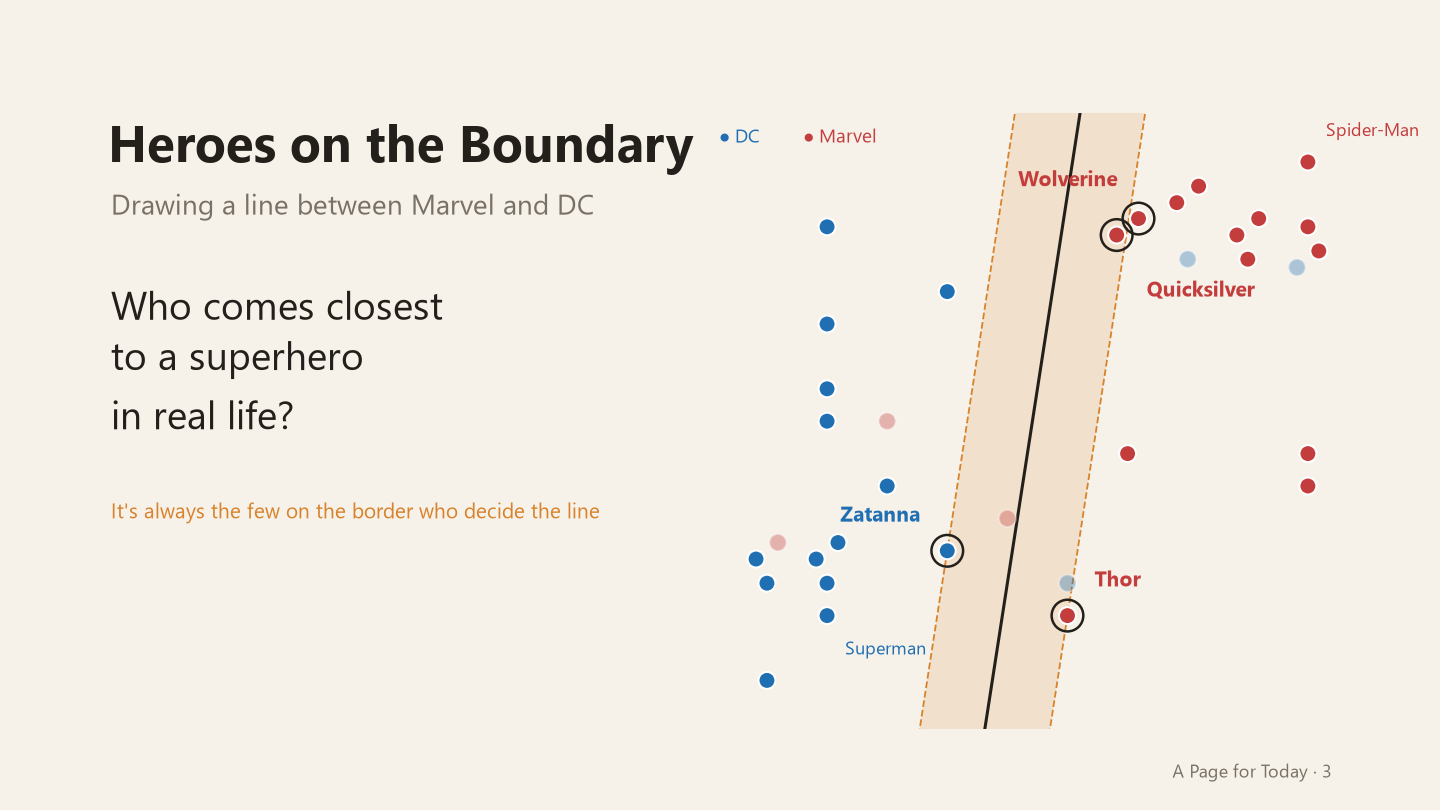
Who comes closest to a superhero in real life? Scoring 34 heroes from Marvel and DC to find the line that divides the two worlds, we run into PCA, LDA, and support vector machines, then follow the machines that draw lines in reality, from bankruptcy prediction to facial recognition. The third piece in the A Page for Today series.

People Who Add Value (4) — Those Who Bridge Two Worlds
People who stand at the point where two distant things meet are rare, and that rarity is what makes them valuable. Calligraphy and computers, medicine and development — a story about the scarce added value born at intersections.
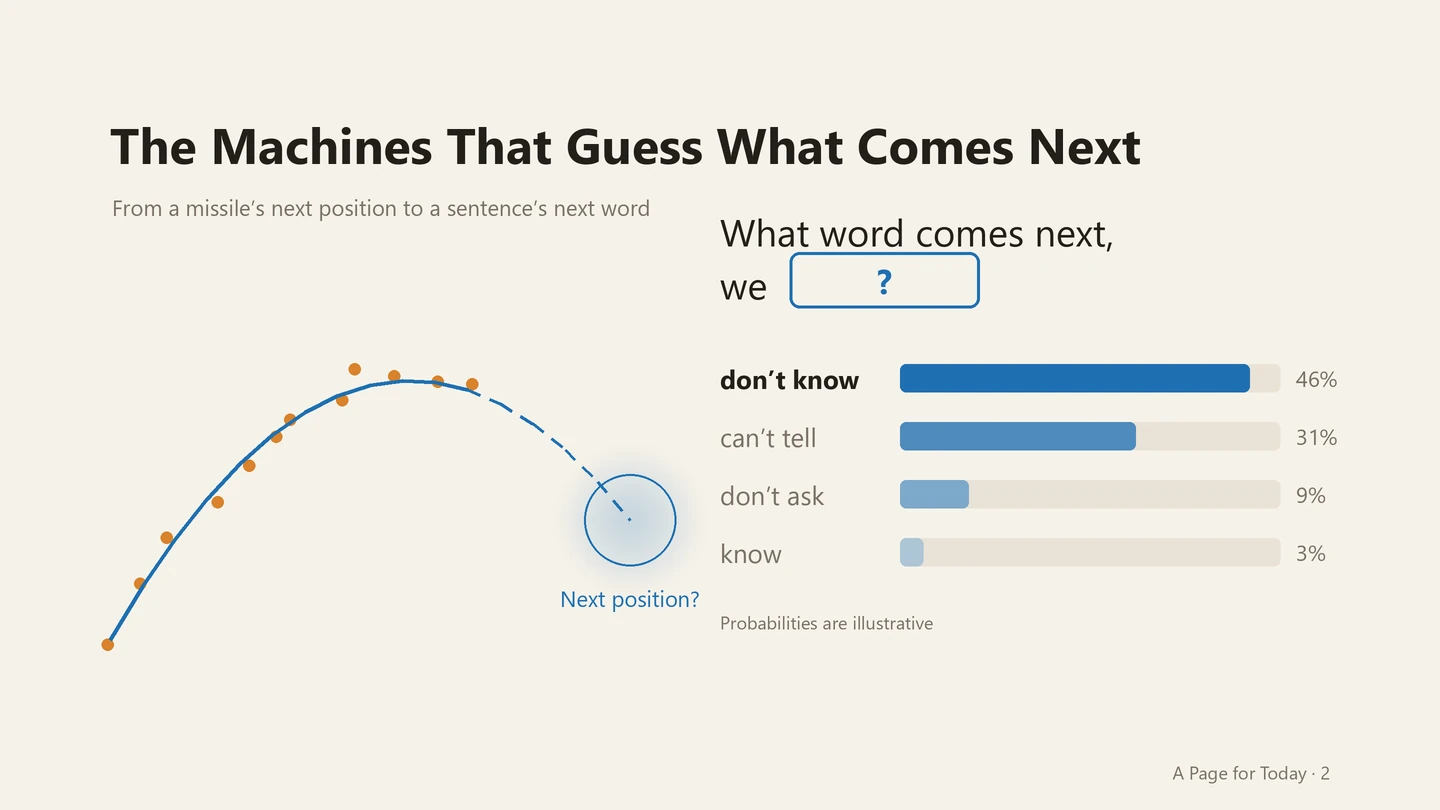
The Machines That Guess What Comes Next
Starting from a line that says no one knows the next word, this piece follows the thread from the Kalman filter that predicts a missile's next position, through weather forecasting and grocery carts, to the LLMs that choose the next word. The second installment of A Page for Today.

People Who Add Value (3) — What Came of Work Nobody Asked For
Added value is born from work nobody asked for. Stories of a failed adhesive that became a sticky note, and idle-time tinkering that changed a career.
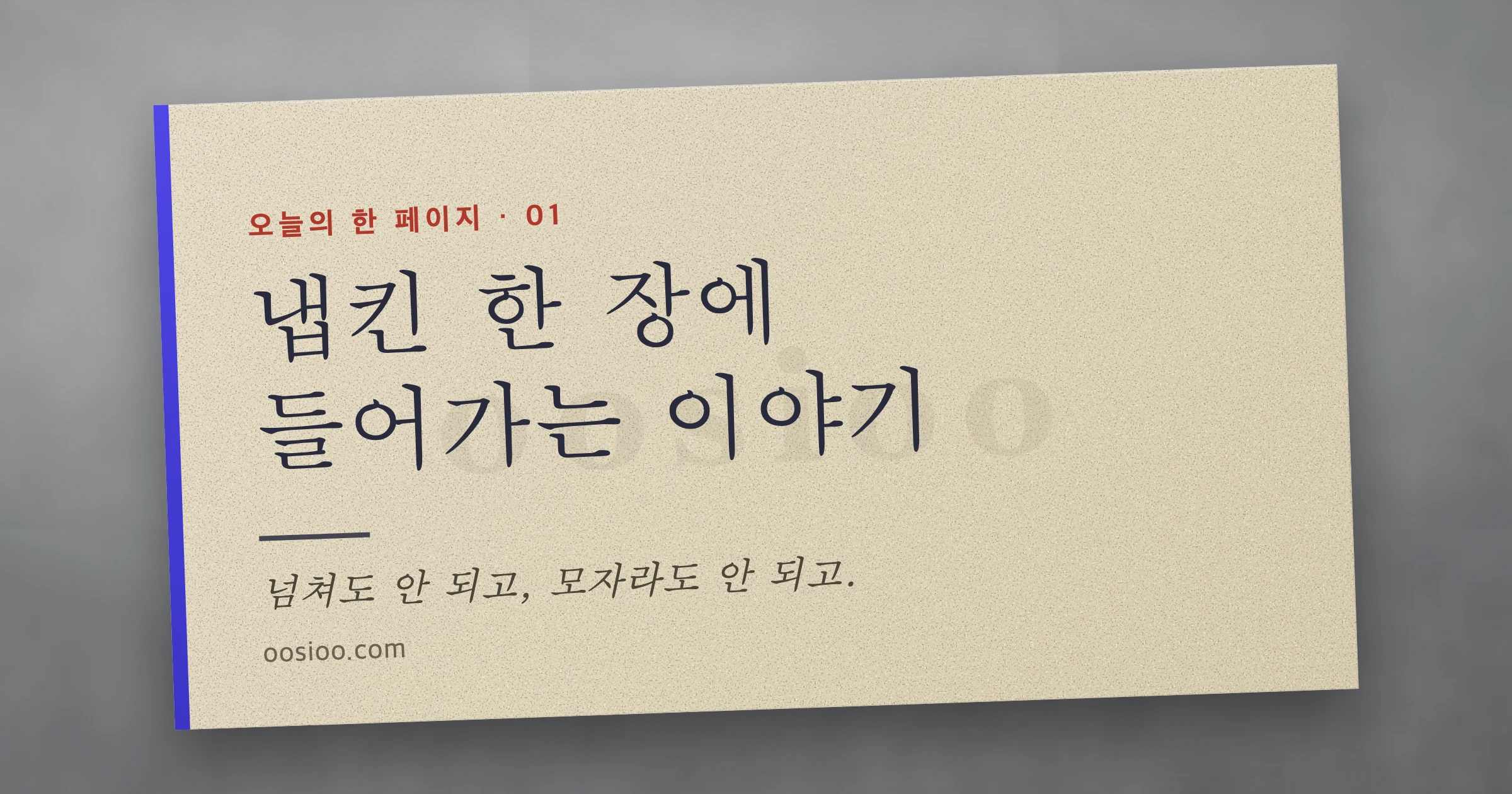
The Story That Fits on One Napkin
How many characters fit on a single square napkin handed out at a restaurant? Between the lie of dividing by area and the honest arithmetic of the floor function, this piece is about how a container called length reshapes the shape of a thought. It's the first entry in A Page for Today, a new series that opens an idea notebook at random.

People Who Add Value (2) — Those Who Do the Same Job Differently
The closest kind of added value is simply doing your current job better than anyone else. From a foreman who became a vice president to master craftsmen on the factory floor, these are stories of people who created different value from the same work.

People Who Add Value (1) — Fill Only Your Assigned Share and You'll Be Replaced
Whether it's a company, a shop, or your studies, filling only your assigned share leaves you replaceable. What can you stack on top of it? Let's take another look at work through the lens of value added.

AI That Remembers (5) — Even Memory Turns Toxic If You Never Discard It
Memory that's only accumulated and never managed becomes a liability, not an asset. Three traps — a bloated index, stale information, and failed retrieval — and their fixes.

AI That Remembers (4) — Handling Dozens of Tasks Like a Single Person
An online store in the morning, a dashboard at lunch, writing in the evening. What a real day looks like when context never breaks, even as you jump between unrelated tasks several times a day.

AI That Remembers (3) — One File, One Fact
Storing memories well matters less than storing them so they can be found. How to split them by kind, the one-file-one-fact rule, and the one-line description that decides whether they get recalled.
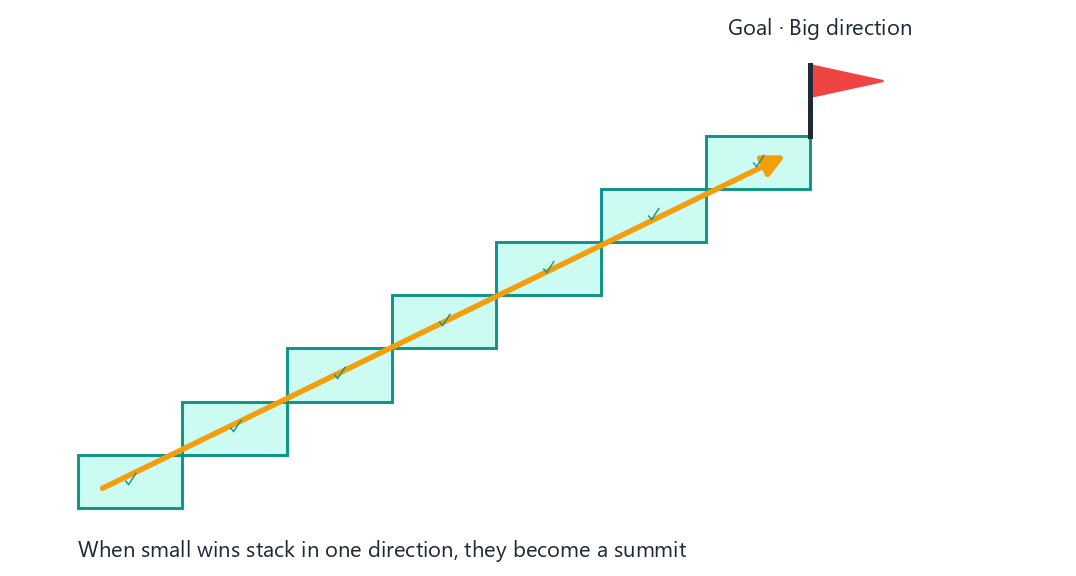
How to Repeat Small Wins (4) — But They Have to Point Toward a Bigger Direction
Small wins are powerful, but they tend to gravitate toward whatever's easy. You have to set the big direction first, then break it into steps that lead there, and only then do they add up to a summit.
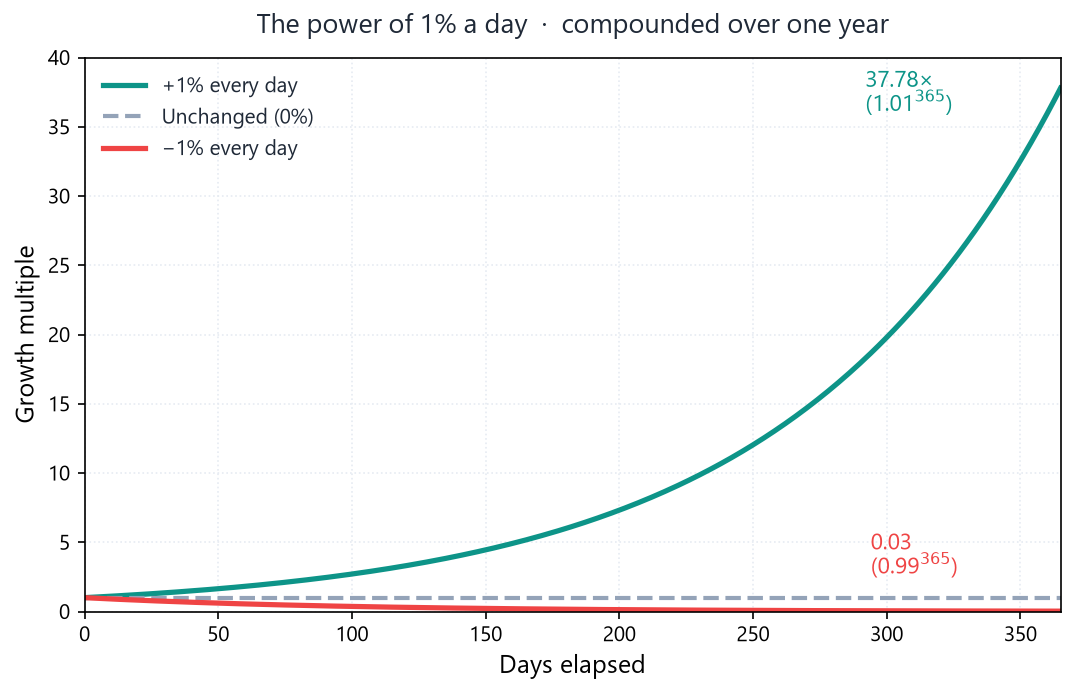
The Art of Repeating Small Wins (3) — Big Success Is the Sum of Small Successes
Junior professionals want the home run, but data from cycling, software, and organizational psychology research all say the same thing: repeating small wins is what actually wins big in the end.

AI That Remembers (2) — Don't Cram All the Rules Into One File
One method stuffs every rule into a single file; the other breaks them into small pieces and pulls them out only when needed. That difference in storage philosophy decides the outcome across many projects.