oosioo
Read in English
Things that started as a one-line request and ended as something usable — including where it went wrong. Read in order →
Seoul Fireworks Festival Best Viewing-Spot Map (2026) — One Line Computed 990,000 Grid Cells of Seoul
I asked an AI, in a single line, where the best spots to watch the Seoul International Fireworks Festival would be. Forty minutes later, out came a heatmap that judged sightlines across 990,000 grid cells of Seoul using terrain and building height data. Here's a breakdown of what actually ran under the hood, where it went wrong, and why a single line of input was enough.
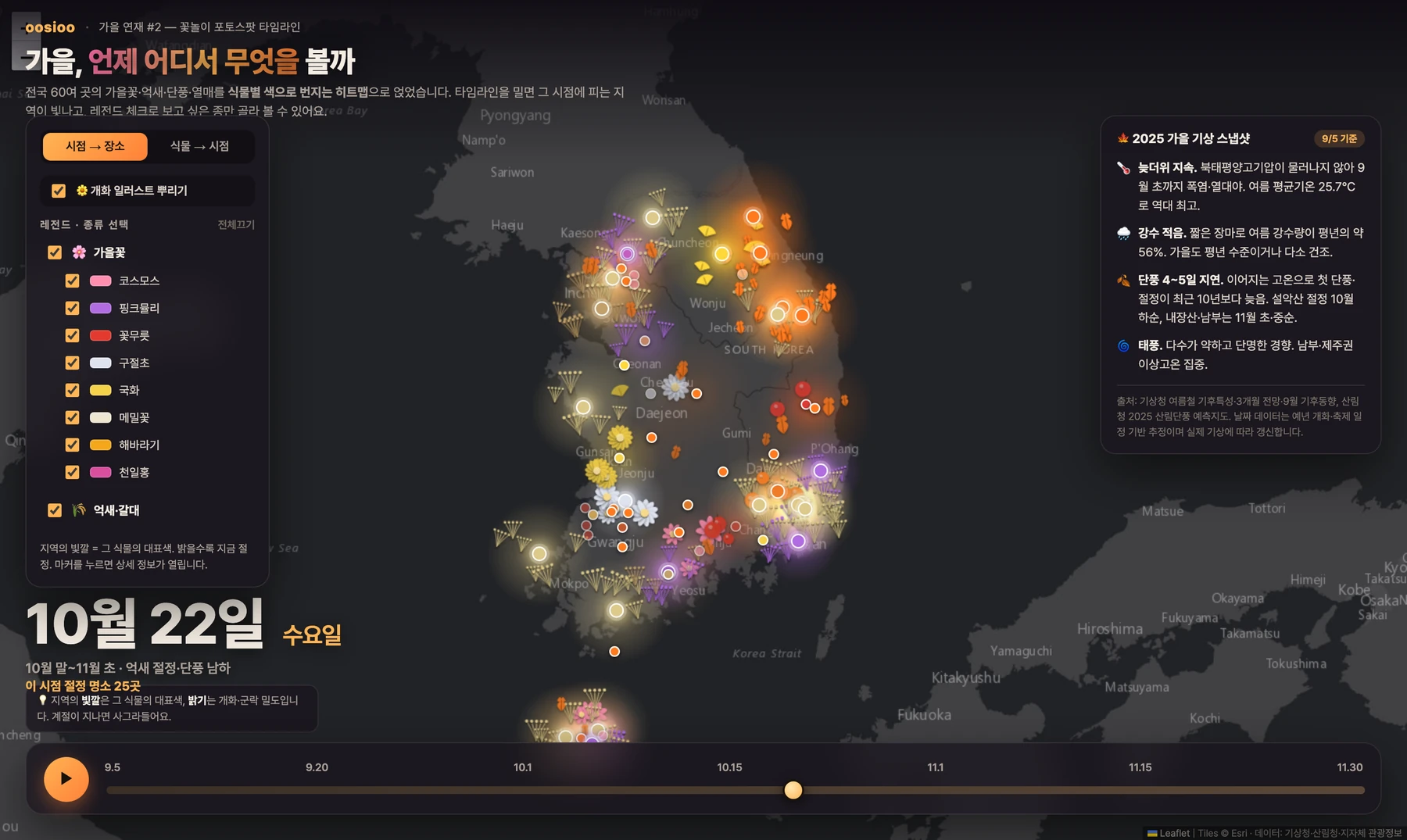
Autumn Flower-Viewing Spots in Korea: 62 Places and When to Go — A Timeline Map
The question was one line: when and where should you go to see a given flower? Out came a map of 62 spots nationwide, each peak season placed on a timeline. Drag the slider and only the spots in bloom on that date light up.
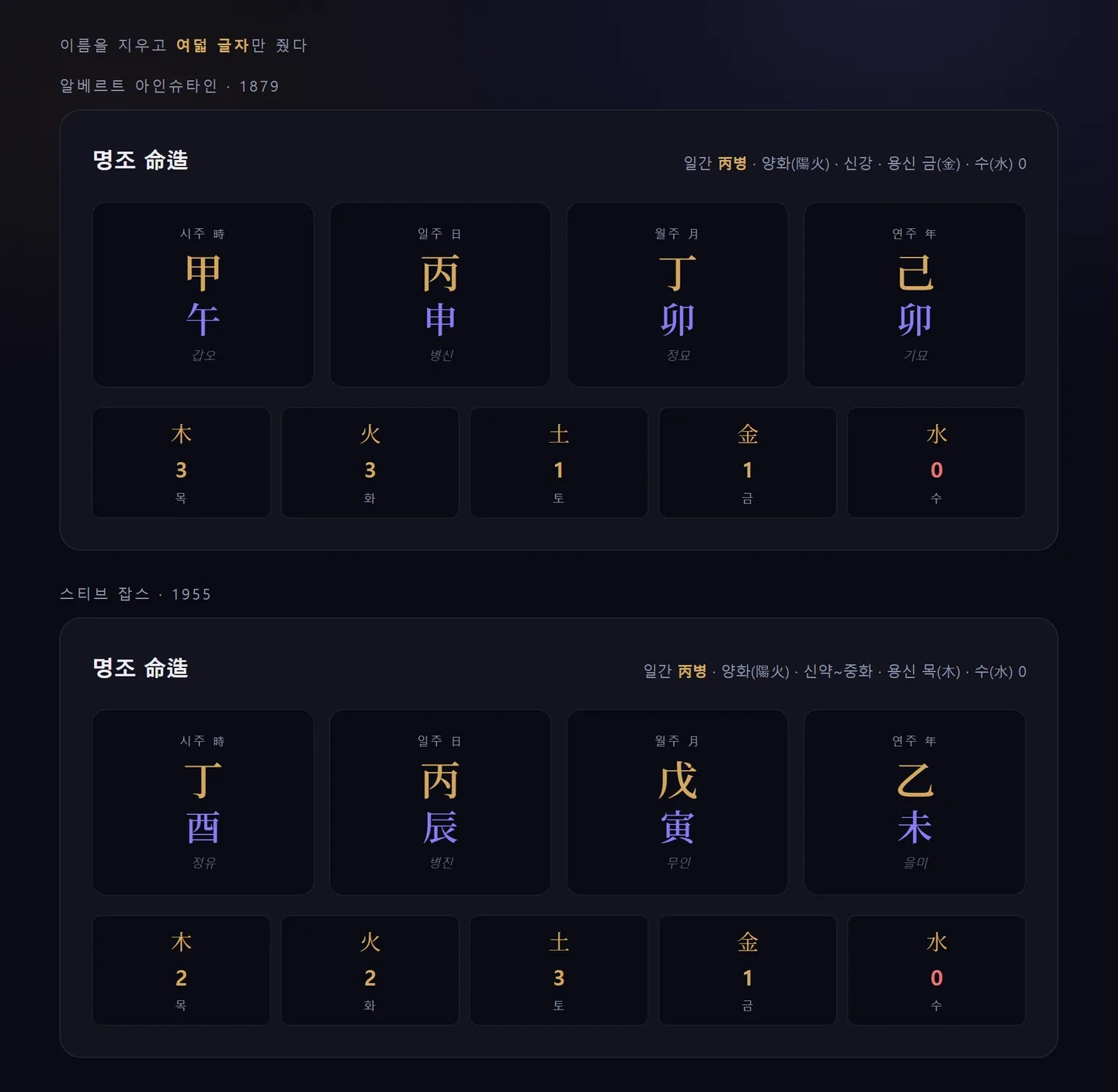
Reading Saju (Four Pillars) with AI — Einstein and Jobs from Eight Blind Characters
A long-fixed system like Saju has plenty of material piled up on the web, which makes it good raw material for AI. It really did come together in half a day. But once it was built, the real problem turned out to lie elsewhere — how do you know if it's right? We had it read blind, with the subject's identity hidden, and checked the results against the historical record.
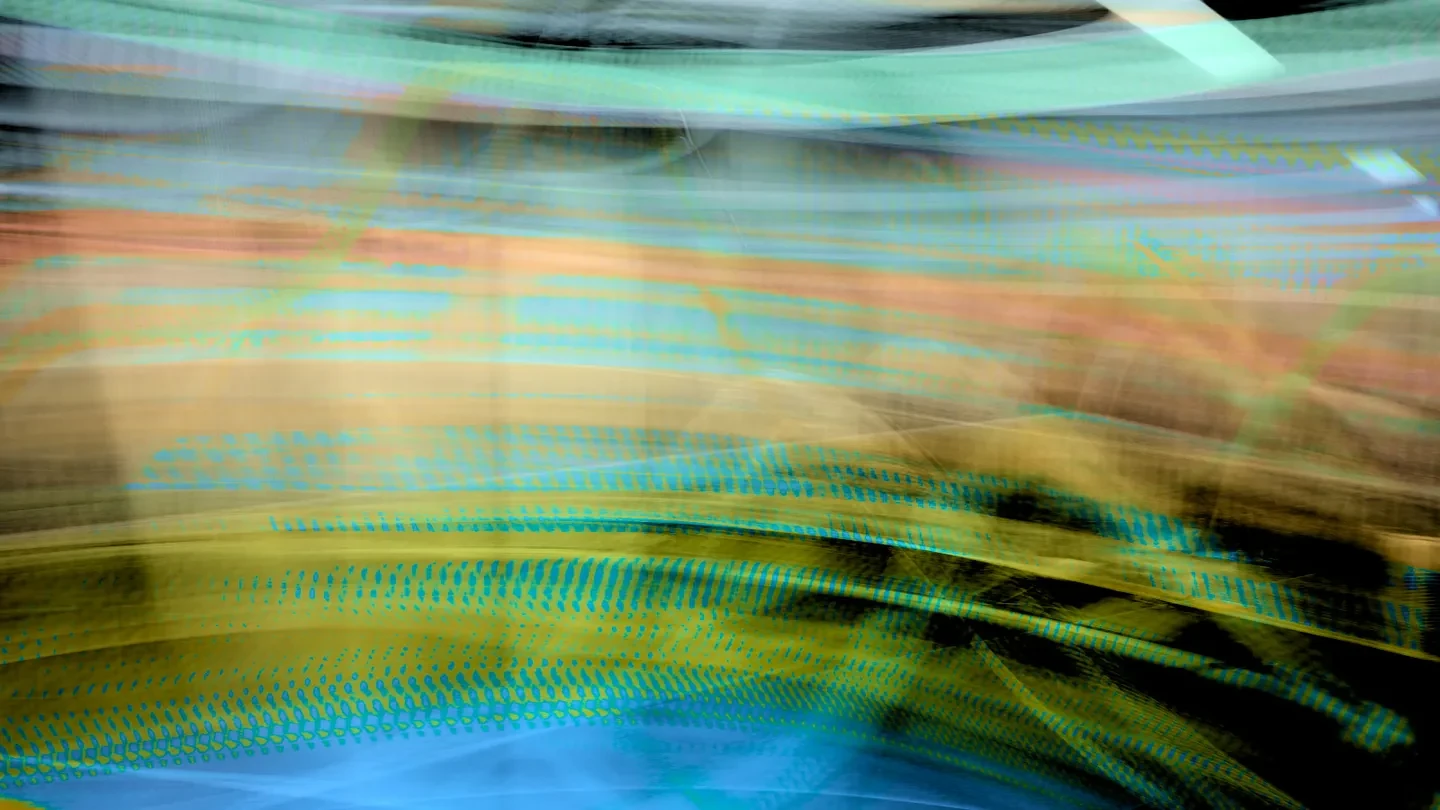
Merging a Video Into a Single Photo — Long-Exposure Compositing of 682 Frames
I wanted to turn a 10-second action-cam clip into a single photo. Just adding frames burns them white; averaging them turns everything gray. It took three wrong turns and 26 minutes. This time, unlike the previous installment, I could actually see where I'd gone wrong.
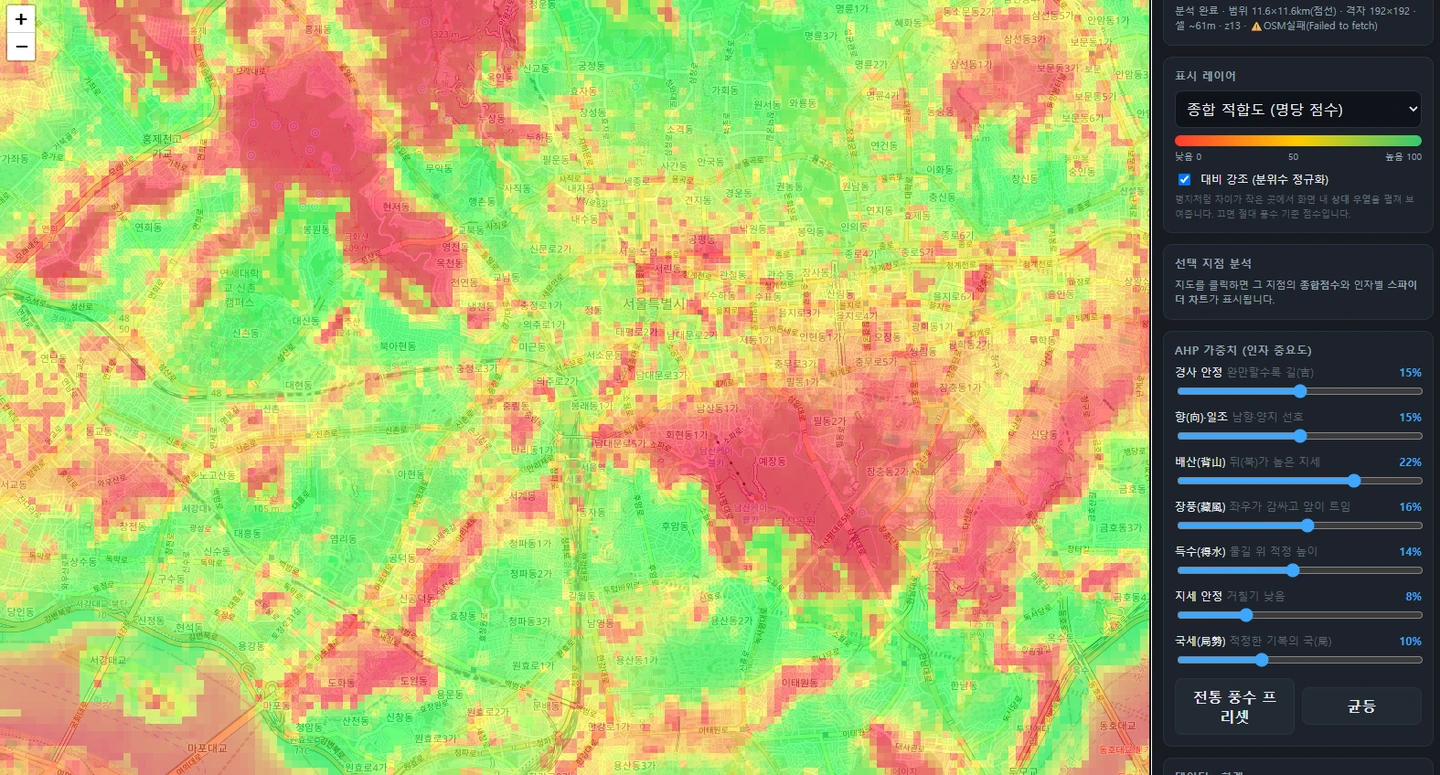
Finding a Feng Shui Site with AI — Seven Conditions Translated into Terrain Numbers
I asked, in one line, to calculate a good site for building a house from terrain, water, buildings, and sunlight. Out came a map that turns old sayings like "mountain behind, water in front" and "wind-gathering, water-holding" into numbers — slope, orientation, even distance to water. I also dig into the spot where flat land scored the same everywhere, and the same problem I ran into in Part 1 showed up again.

How to Turn a Single Photo Into a 3D Video — Faking Instagram's 3D with a Depth Map
I took the 3D photo layering I saw on Instagram through my Oculus and faked it on a single flat monitor. An experiment using monocular depth estimation to build a depth map, then shifting pixels with gaze direction to trick the eye into seeing depth — all from one black-and-white street photo, "ILLUSO."
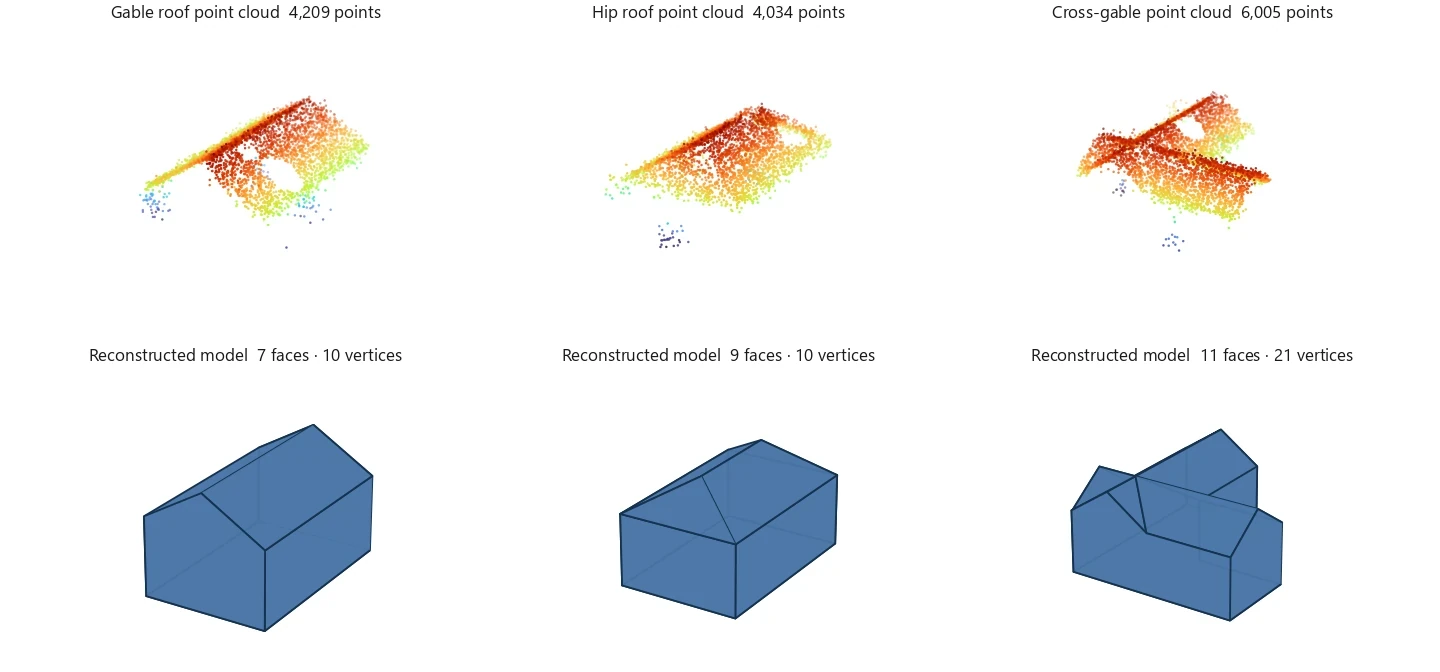
Building a 3D Building Model from a Drone Point Cloud — From Point Cloud to House
From a point cloud built out of aerial photos, I raise a house with ten vertices. This time I gave it one line telling it to simplify further. Vertices dropped 12%, but along the way it chewed through 1.3 m of a perfectly intact wall — twice. Here's what I fixed, and what I switched back off.
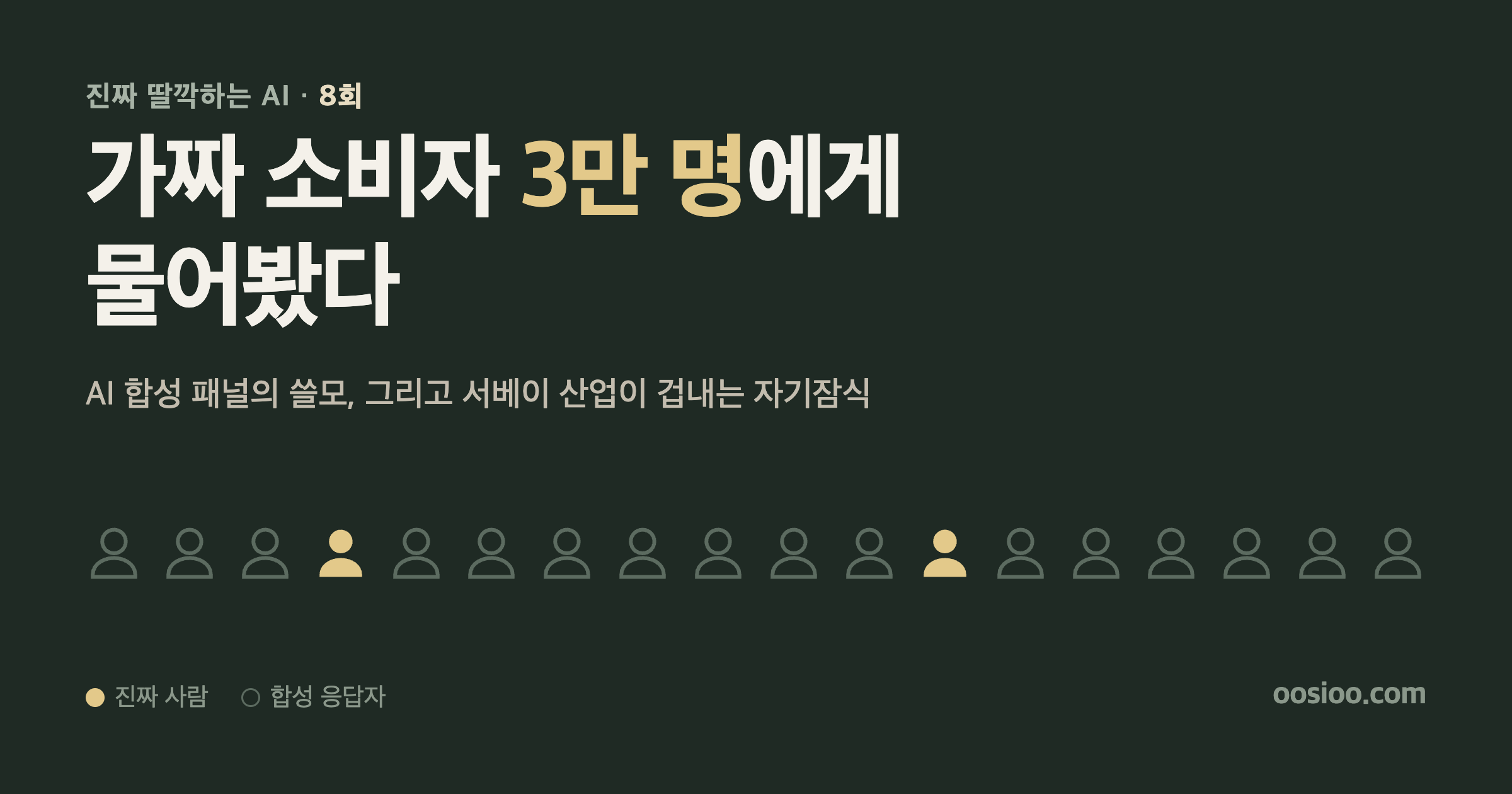
Running Consumer Research with AI Synthetic Panels — The Self-Cannibalization the Survey Industry Fears
I ran a consumer survey with a single line of code. The respondents weren't people — they were 30,000 fake consumers we built ourselves. How to build a synthetic consumer panel with NeoPersona and NVIDIA's Nemotron, and why the traditional survey industry both welcomes and fears this — including the self-cannibalization and the limits.
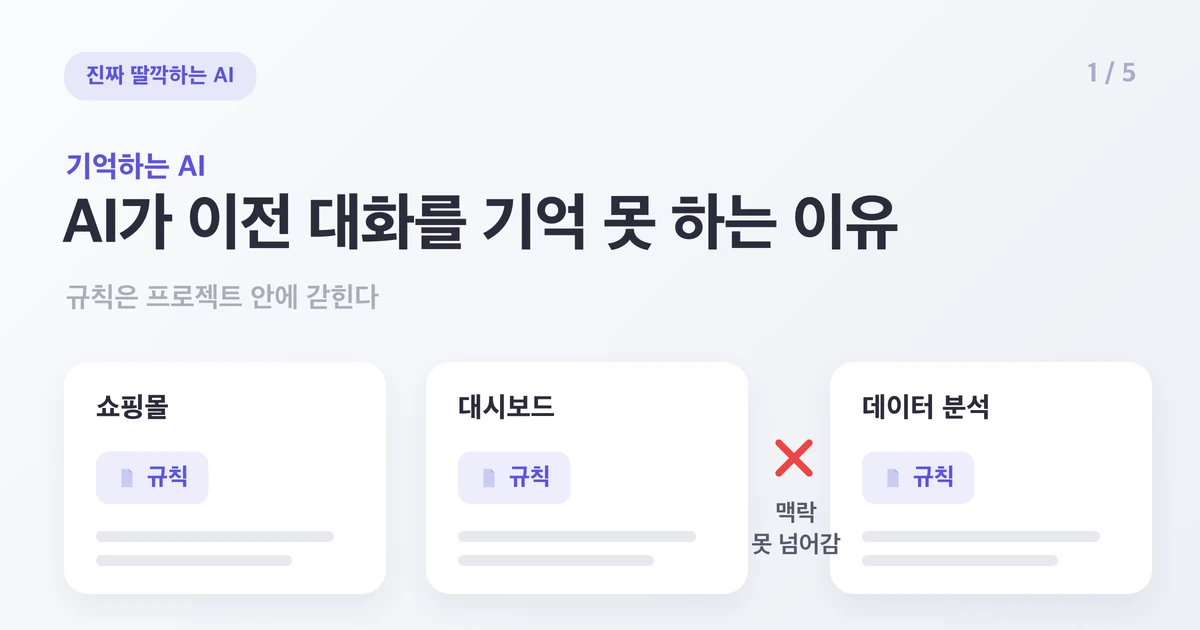
Why AI Forgets Your Previous Conversation — AI That Remembers (1)
AI losing context isn't because you're bad at using it — it's because the way it stores things is built to collapse the moment you juggle multiple unrelated tasks. Here we trace the problem to its root.

AI That Remembers (2) — Don't Cram All the Rules Into One File
One method stuffs every rule into a single file; the other breaks them into small pieces and pulls them out only when needed. That difference in storage philosophy decides the outcome across many projects.
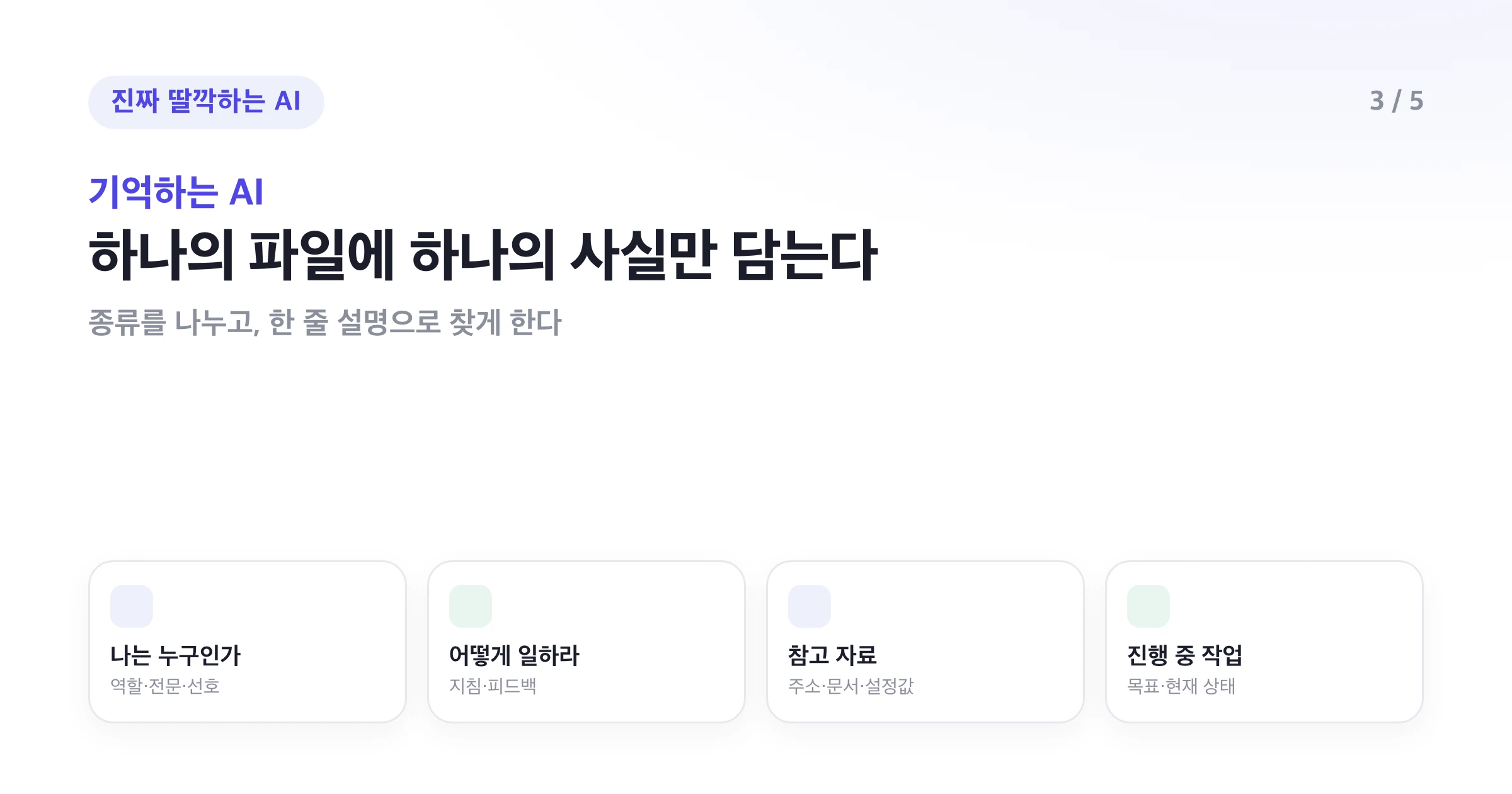
AI That Remembers (3) — One File, One Fact
Storing memories well matters less than storing them so they can be found. How to split them by kind, the one-file-one-fact rule, and the one-line description that decides whether they get recalled.
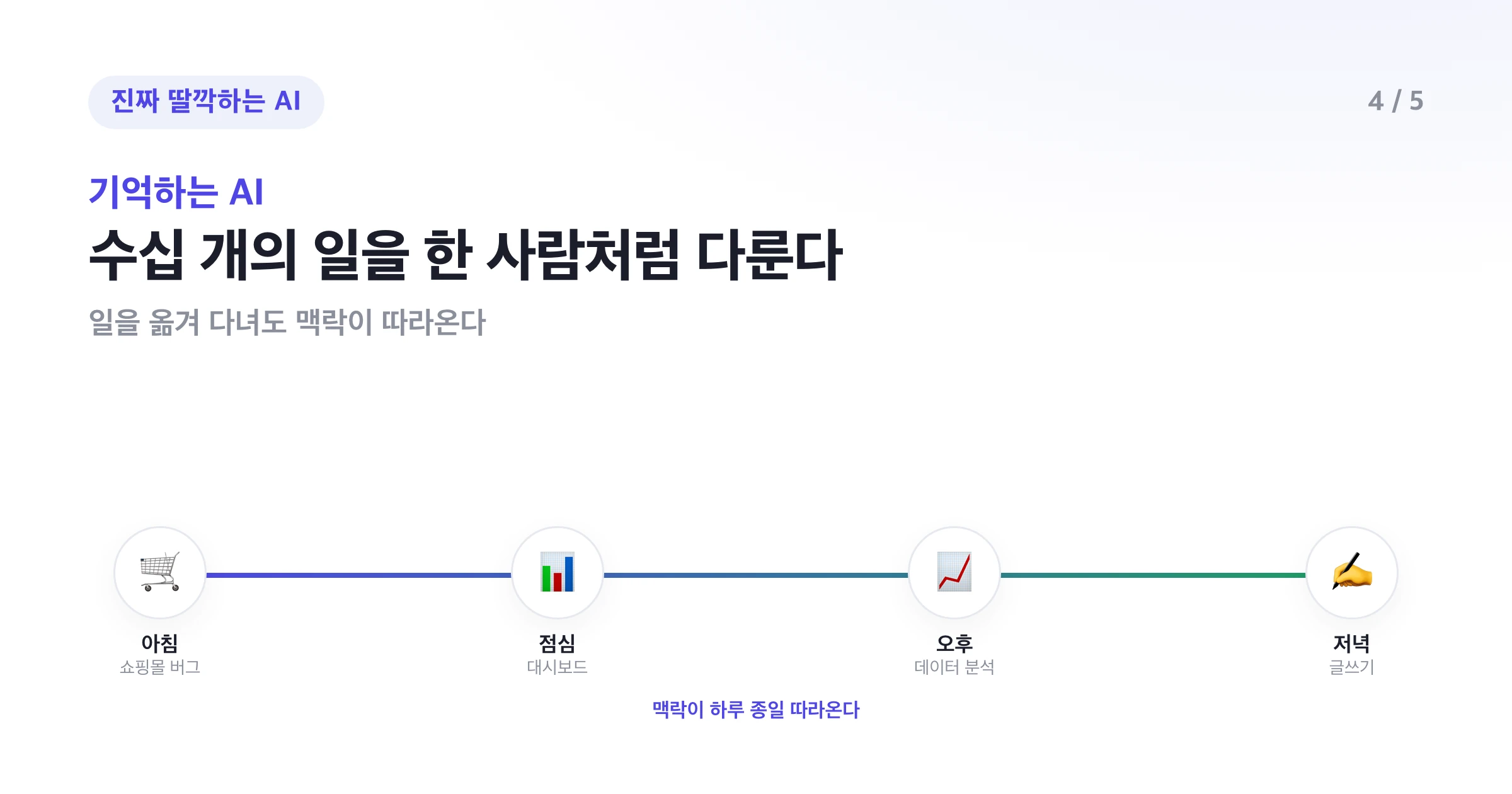
AI That Remembers (4) — Handling Dozens of Tasks Like a Single Person
An online store in the morning, a dashboard at lunch, writing in the evening. What a real day looks like when context never breaks, even as you jump between unrelated tasks several times a day.
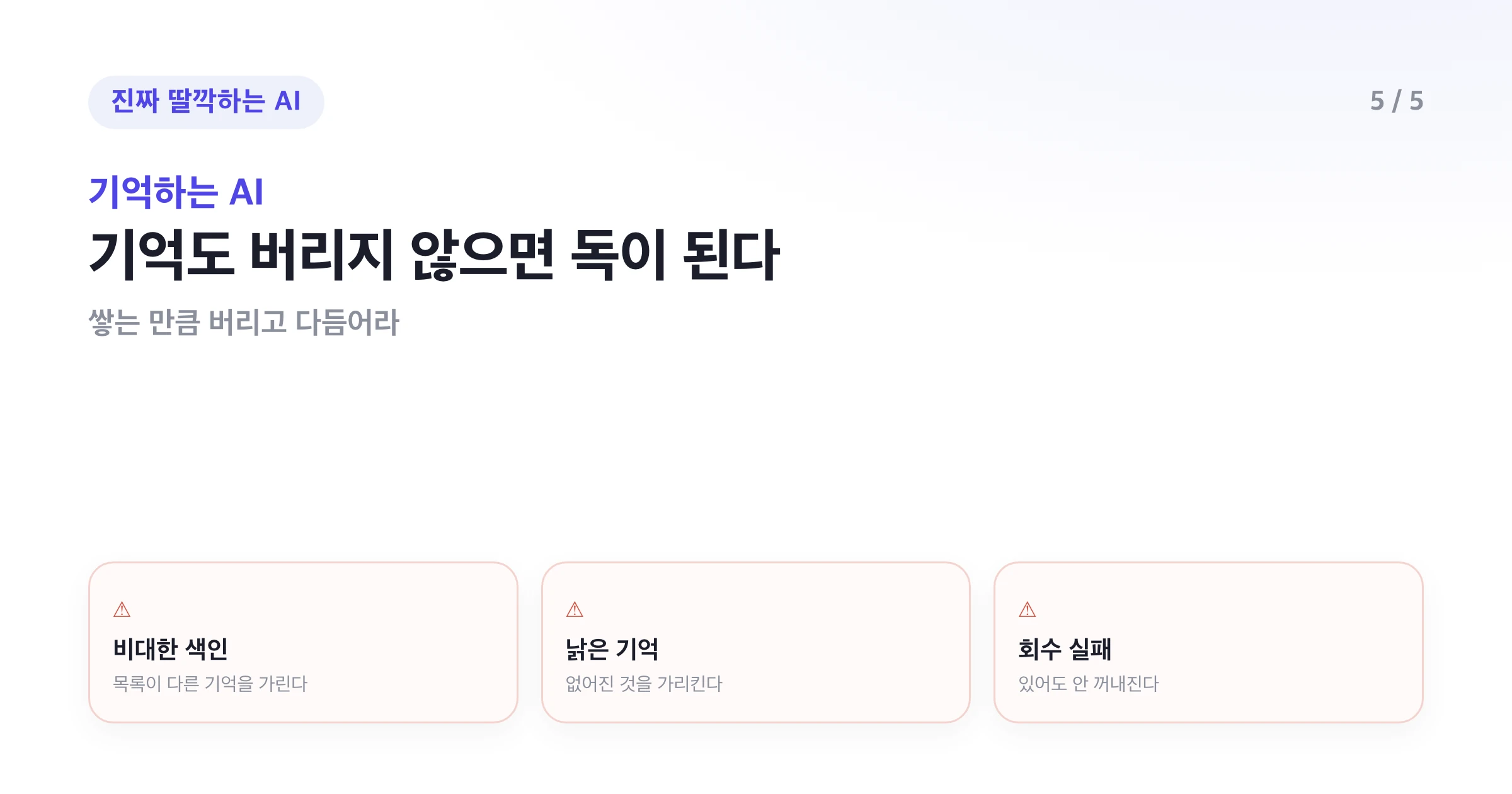
AI That Remembers (5) — Even Memory Turns Toxic If You Never Discard It
Memory that's only accumulated and never managed becomes a liability, not an asset. Three traps — a bloated index, stale information, and failed retrieval — and their fixes.
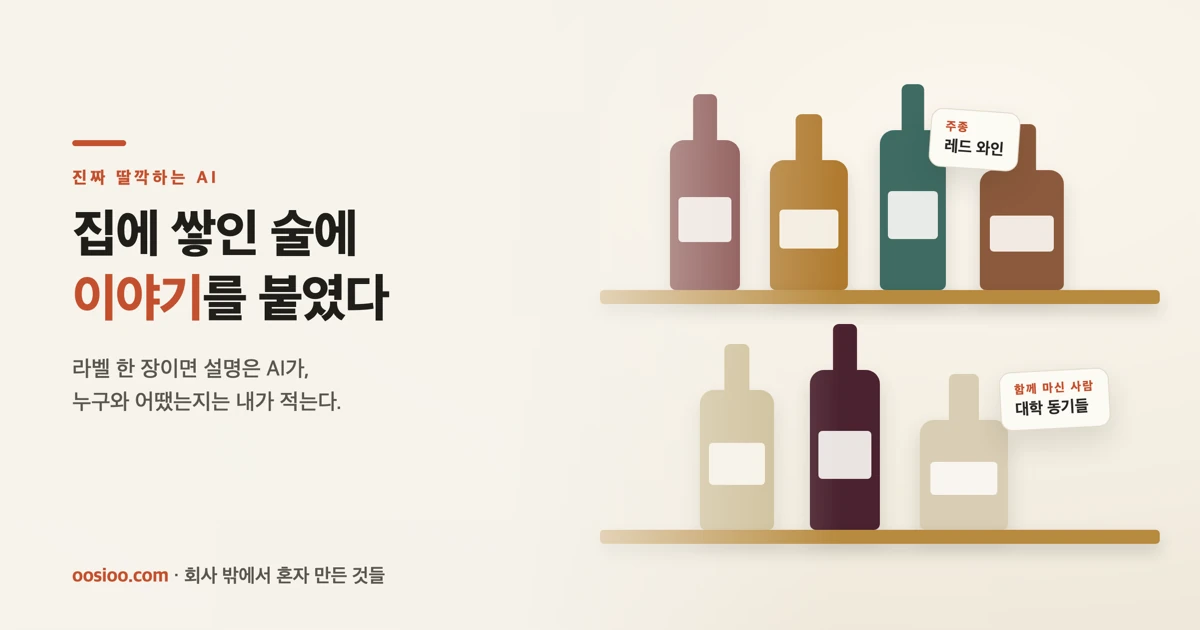
I Put Stories on the Bottles Piling Up at Home — A Drink Log Where One Label Photo Lets AI Fill In the Details
When COVID made it hard to drink out, bottles started piling up at home. I built an app over one weekend where a single label photo gets the drink's description filled in by AI, and all I write is where it's stored and who I drank it with and how it went. Alongside domestic and international precedents like Vivino, CellarTracker, and WineGraph, a look at how low the bar has dropped for building a tiny service meant for just yourself.
I Built One Psych Test, and It Became Twenty — A Structure Where Adding One Test Means Adding One File
It started as a casual quiz, just for fun. Then I rebuilt it into a framework where dropping in one file for one test automatically wires up scoring, reports, and screens — and it grew to twenty. The real power of a click isn't knocking out one thing fast; it's setting up the board so the twenty-first comes for free. But looking at how this is done elsewhere, I found that making something that looks like a test and making an actual test are entirely different leagues of difficulty.
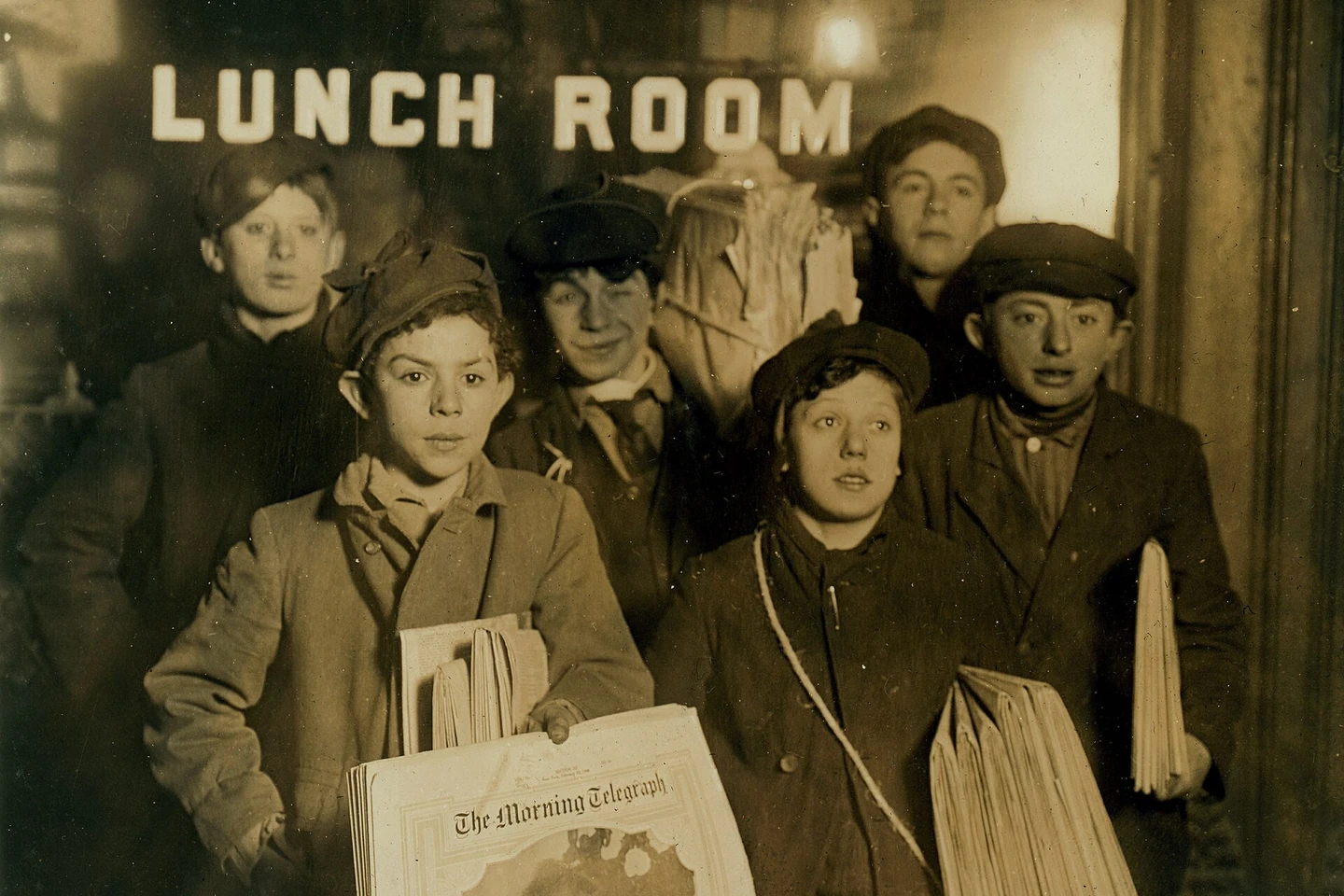
My Own Magazine, Every Morning — Personalized Briefings That Pick Only What You Need and Fit It on One Page
Newsletters keep piling up and inboxes keep getting messier. This piece traces how personalized briefings that curate only the information you need have evolved at home and abroad — from Newneek, Naver, and SK Telecom's A. (A-dot) to Artifact, ChatGPT Pulse, and NotebookLM — and, alongside the current trends, suggests how to build, in one click with AI, your own morning briefing for work and the commute.
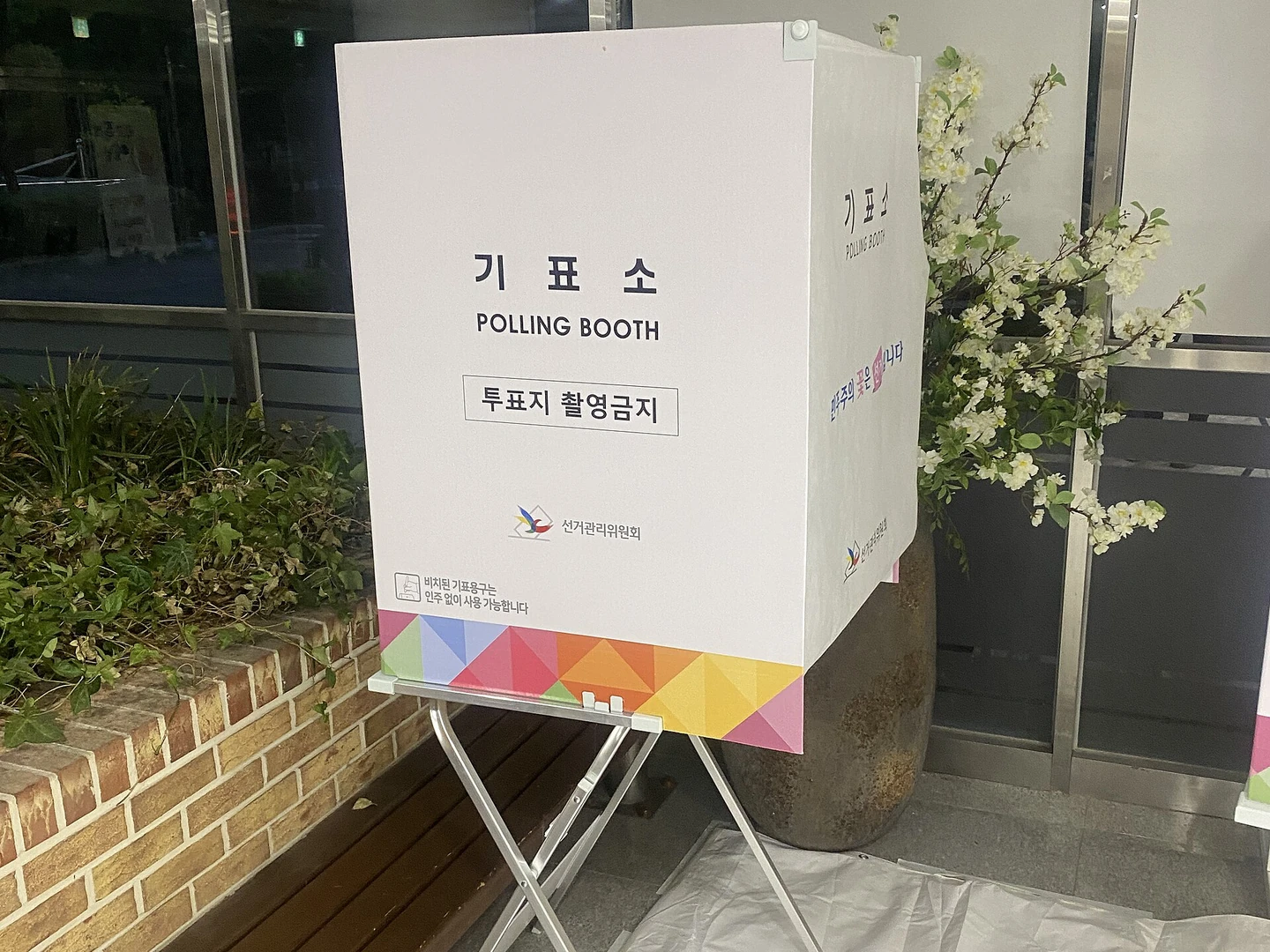
The People Who Got 5,000 AI Voters to Cast Ballots — Synthetic Voters That Run the Election in Advance
More companies and researchers are asking AI-generated virtual voters how they would vote instead of real people. This piece follows Aaru, which came within 371 votes of the actual result in a New York primary but missed the presidential race; GPT models that skewed toward the Greens when questioned in German; and a Korean firm that tried predicting local elections — then shares impressions from running the experiment myself with NeoPersona, and why none of this should be called an opinion poll.
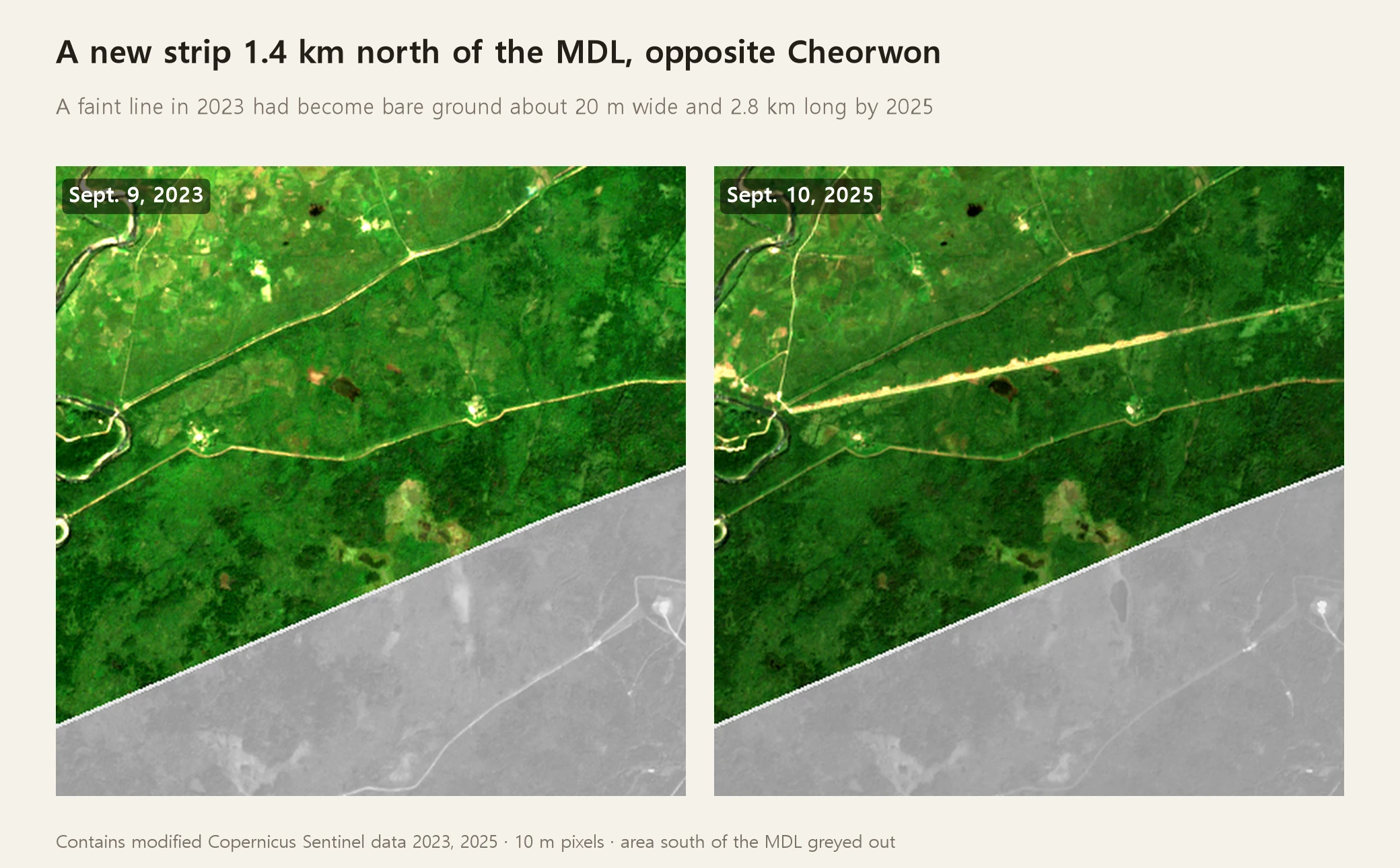
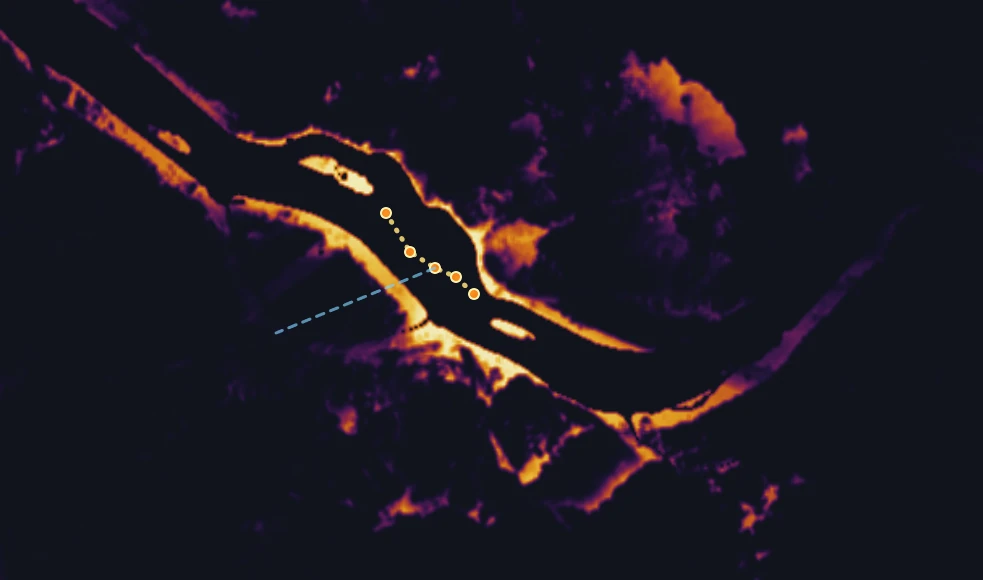
Can Satellites Find Landmines? — On Armed Forces Day, Mapping Border-Area Mines with Free Satellite and Terrain Data
On Armed Forces Day, I tried to use free satellite imagery to map where landmines might be buried or might have washed downstream. The AI's first answer was "not as it stands." I changed course, mapping the southern riverbanks of rivers flowing down from the North and changes in the land north of the demarcation line separately — and end with the fact that the mines themselves never became visible.
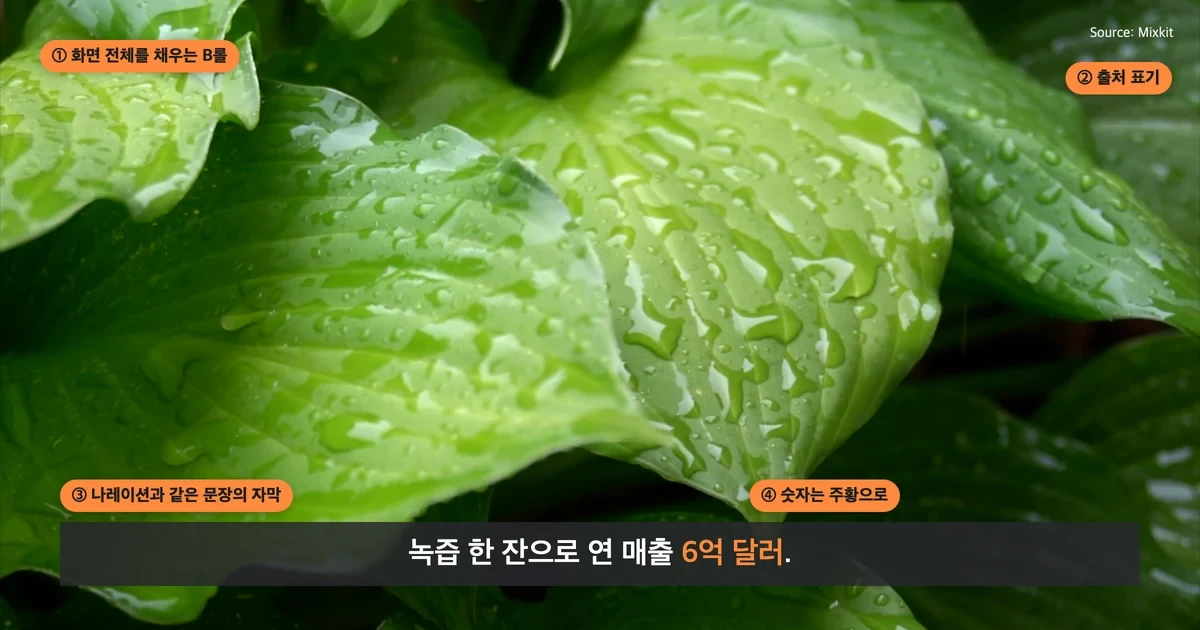
I Fed It One Article and Got a Narrated Video Back — Handing Script, Voice, and Footage Search to AI for 1 Minute 17 Seconds
Feed it an article, and AI writes the script, reads it aloud with TTS, finds footage and photos, attaches sources, and stitches it all into a narrated video. Here's what happened when I tested it with the AG1 story, how it compares to similar services at home and abroad, and where YouTube draws the line.
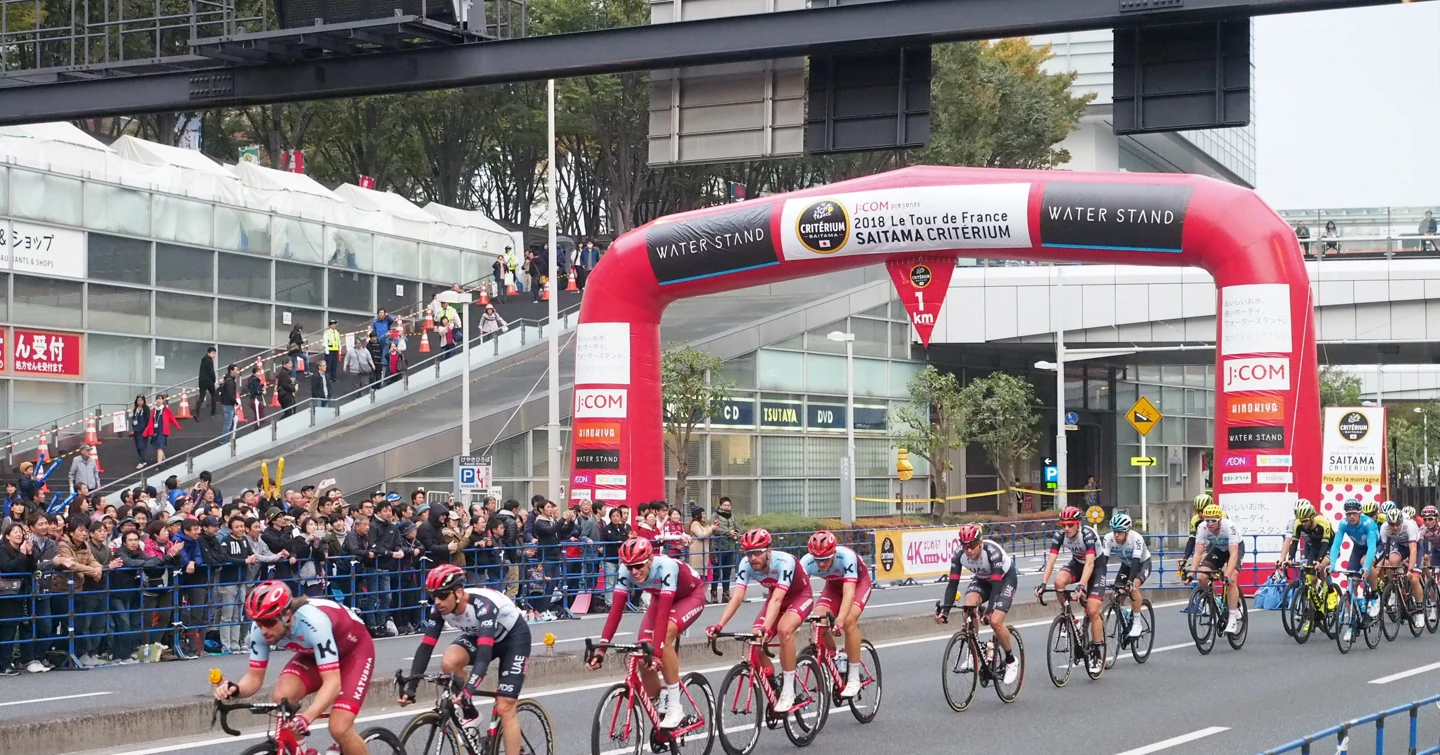
The Day a Line Hung Over Gwanghwamun — Computing a Course for a Downtown Bike Race
On October 1 I watched a man walk a line 120 m above Gwanghwamun, then came home thinking about events that borrow the city for a day: soapbox races, urban downhill, and the criterium, a bike race that circles a short loop dozens of times. I designed a web app that lays out such a course on a map, keeping as much traffic moving as possible while placing grandstands and ad boards with some logic, and ran a prototype on the real street network around Gwanghwamun.
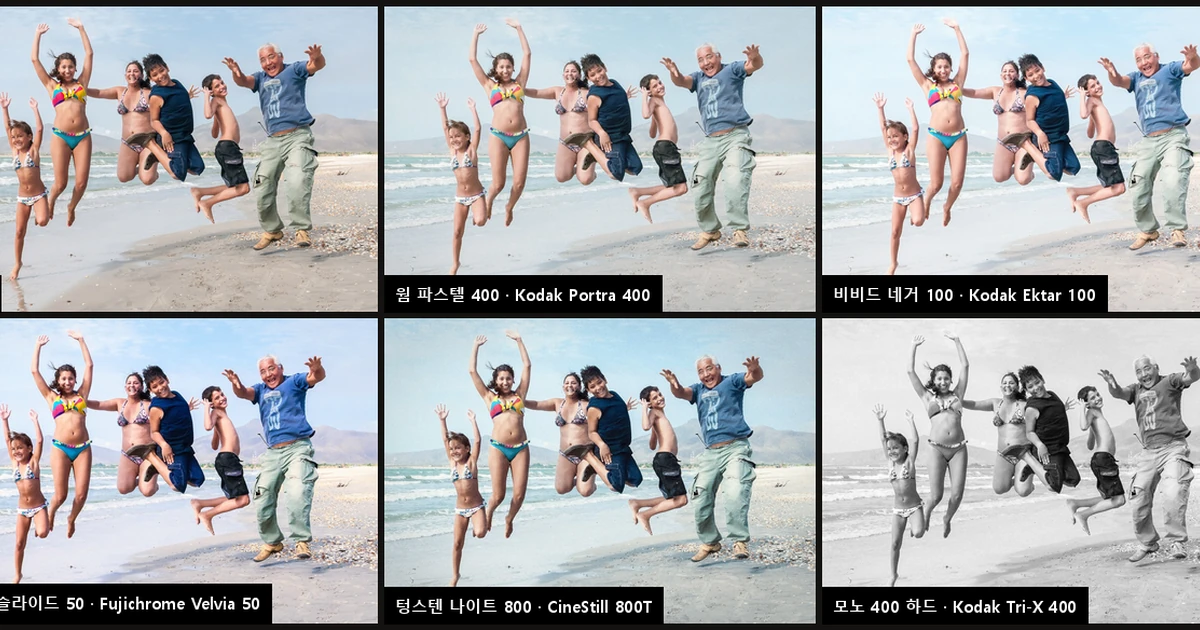
A One-Click Film Camera Built by Reading 1,027 Film Photos — Twenty Film Looks, and the Films the Samples Could Never Tell Apart
I gathered public sample photos of films like Portra, Velvia, and Tri-X, measured their differences in color and tone, and built an app that turns one photo into twenty film looks at once. Tone followed the samples. But color casts followed whoever scanned the film, not the film itself, and four slide films couldn't be told apart from samples alone.
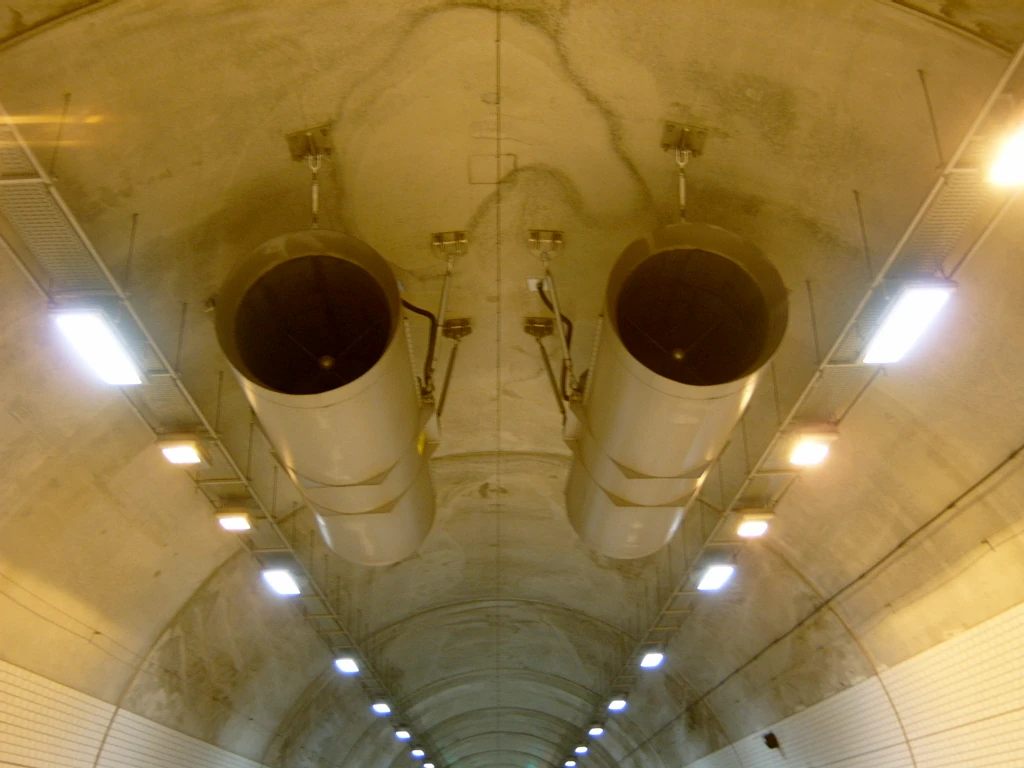
Was the Bus Driver Who Told Us to Close the Windows in Tunnels Right? — Running Tunnel Air Through a Simulator
Tunnels have jet fans hanging from the ceiling and cars rushing through fast, so it seemed like dust would clear out quickly. I tracked down real measurement data and built a simulator that calculates tunnel airflow and dust by varying the number, size, and speed of vehicles along with road-surface dust, to check the old folk wisdom. While I was at it, I also looked into whether AI-built simulators are a threat to simulation software companies.
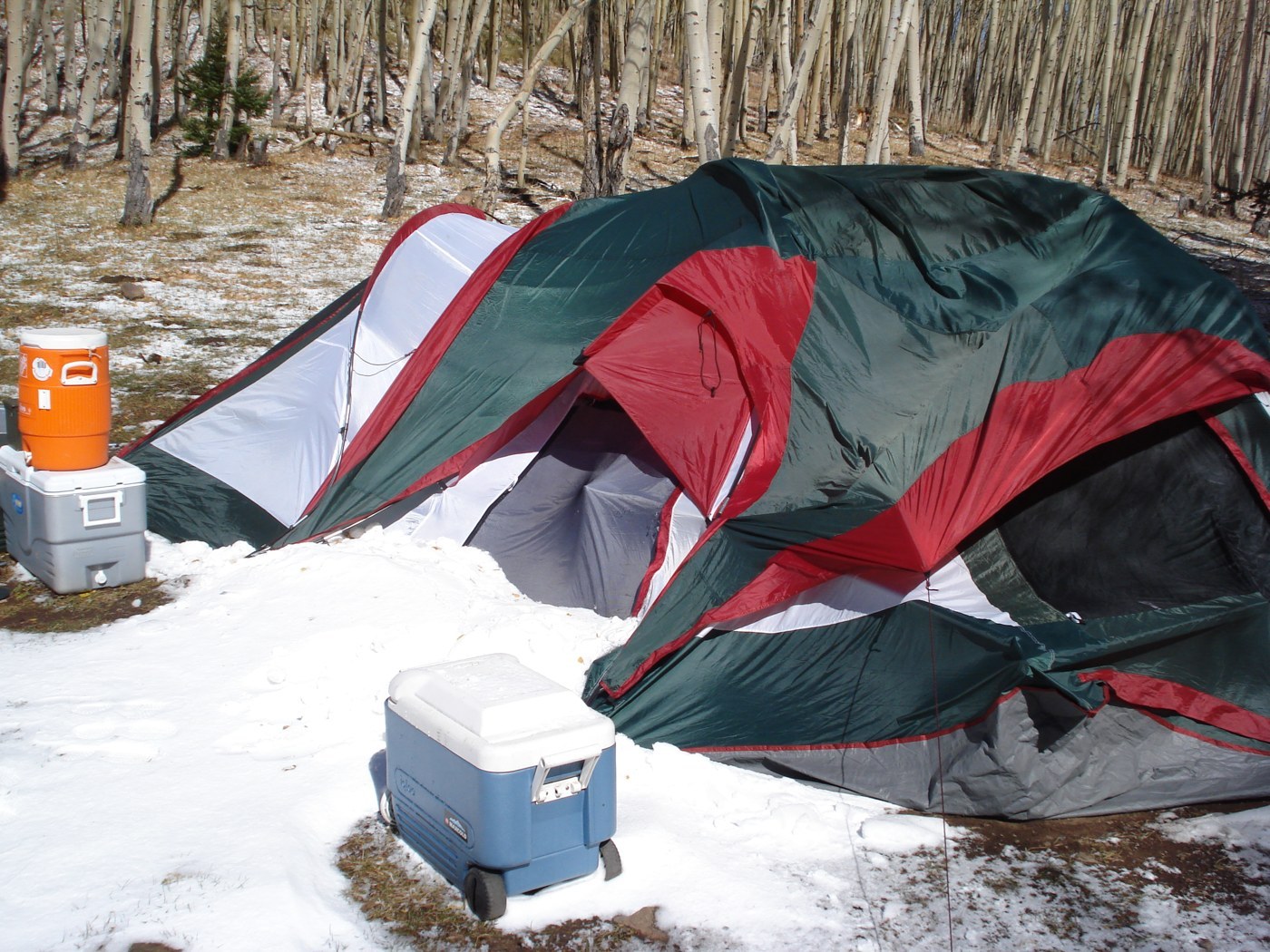
Where Does a Tent Give Way First in a Windy Campsite? — Eight Tents Set Up in a Wind Simulator
I went camping and the wind was far too strong. Using published structures and material figures, I set up eight tents in a simulator: dome, geodesic, tunnel, A-frame, pyramid, family cabin, and two rooftop tents that sit on a car, one fold-out and one wedge. Changing wind direction, pole and fabric material, stake length and ground, guylines and vehicle mass, I worked out what gives way first. In most cases it was the stakes, not the poles, and quartering winds were the weakest direction.
Reading Skin from a Photo, Keeping Only Ingredients with Evidence — An Ingredient Recommender Built to Dodge Where Skin-Analysis Apps Collapsed
Services that use a camera to analyze skin and recommend cosmetics have come and gone for a decade now. We examined where twenty-two prior cases broke down, then built a tool that shows ingredients instead of products — and only ones whose effects are confirmed by randomized controlled trials. It also notes what a photo can never measure, down to numbers that shift with a single light source.